
A natural setting shapes the logistics and feel of a residential yoga teacher training — how far you travel between sessions, how much of the day you spend on site, what your free time looks like. What it does not do is determine how good the training is. Curriculum, teaching, structure and policies decide that. This guide covers how to evaluate both, using our jungle-based Amertham program in Bali as one current residential example.
Quick Answer: What Makes a Yoga Teacher Training Truly Immersive?
An immersive yoga teacher training generally combines structured teaching with a residential or highly integrated schedule: sustained daily practice and study, accommodation at or beside the training venue, minimal commuting, and a setting that supports the planned routine rather than competing with it.
One caveat worth knowing before you compare programs. “Immersive” is not an official Yoga Alliance credential or a standardized program category. Schools use it to mean different things — some mean genuinely residential, others mean a scenic venue students travel to each day. Check what a specific program means by it rather than assuming.
Nature-Based Yoga Teacher Training at a Glance
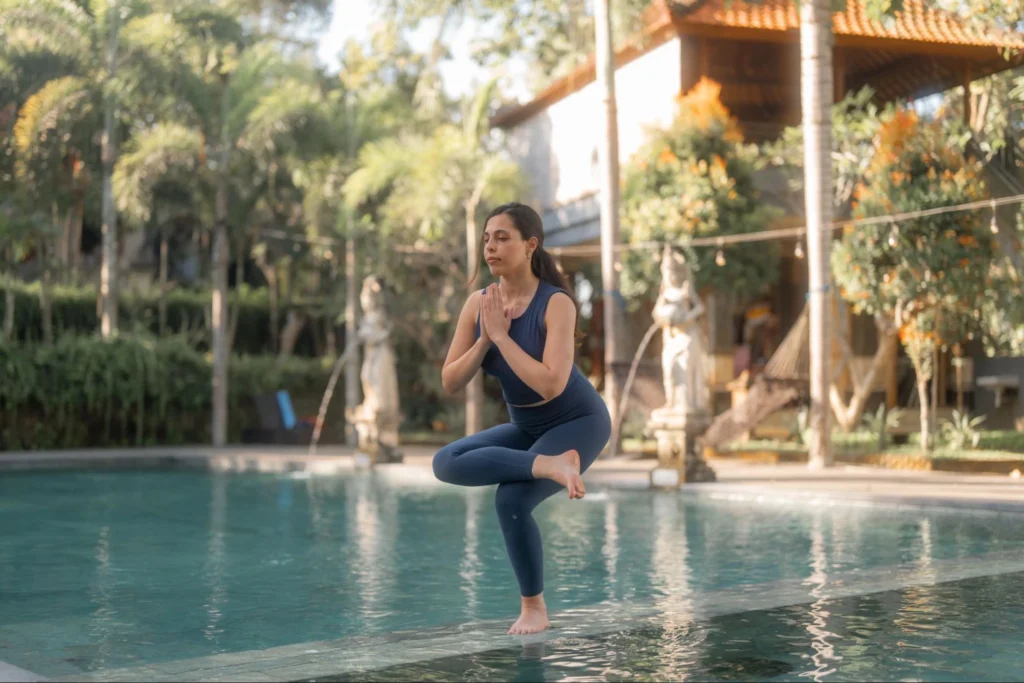
Ten things to check, and why each one changes the experience.
| Factor | What to check | Why it matters |
|---|---|---|
| Training format | Residential, or travel in each day | Decides how much of the day is yours versus spent in transit |
| Curriculum | What is actually taught, and the balance between areas | The part that determines what you can do afterward |
| Accommodation | On site, nearby, or arranged separately | Affects rest, cost and daily logistics |
| Meals | Which meals are included, and on which days | Varies more between schools than almost anything else |
| Training environment | Noise, space, indoor and outdoor options | A beautiful venue with one small shala is still one small shala |
| Accessibility | How students arrive, terrain, mobility needs | Remote settings are not equally accessible to everyone |
| Connectivity | Wi-Fi and phone signal, if you need them | Relevant if you are working or staying contactable |
| Free time | Whether nature access is practical, not just nearby | “Within 10 km” is not the same as reachable on a training day |
| Credential information | Certificate issued, and registration terms | Where marketing and reality most often diverge |
| Cost | What the package actually covers | Headline prices rarely include the same things |
Does Training in Nature Automatically Make a YTT Better?
No. A natural setting can change the residential experience, but curriculum, teachers, methodology, assessment and practical program quality matter more than scenery.
This is worth stating plainly because nature-based training is marketed heavily on photographs, and photographs tell you nothing about what you will learn. A remote jungle property can run a thin curriculum. A plainer venue can run an excellent one. The setting affects how your three weeks feel; it does not affect whether you leave able to teach.
The useful approach is to treat the environment as one factor among several, and to judge the program itself on what it teaches, who teaches it, how you are assessed, what the accommodation and meals actually are, and what credential you hold at the end.
What Should You Look for in a Nature-Based YTT in Bali?
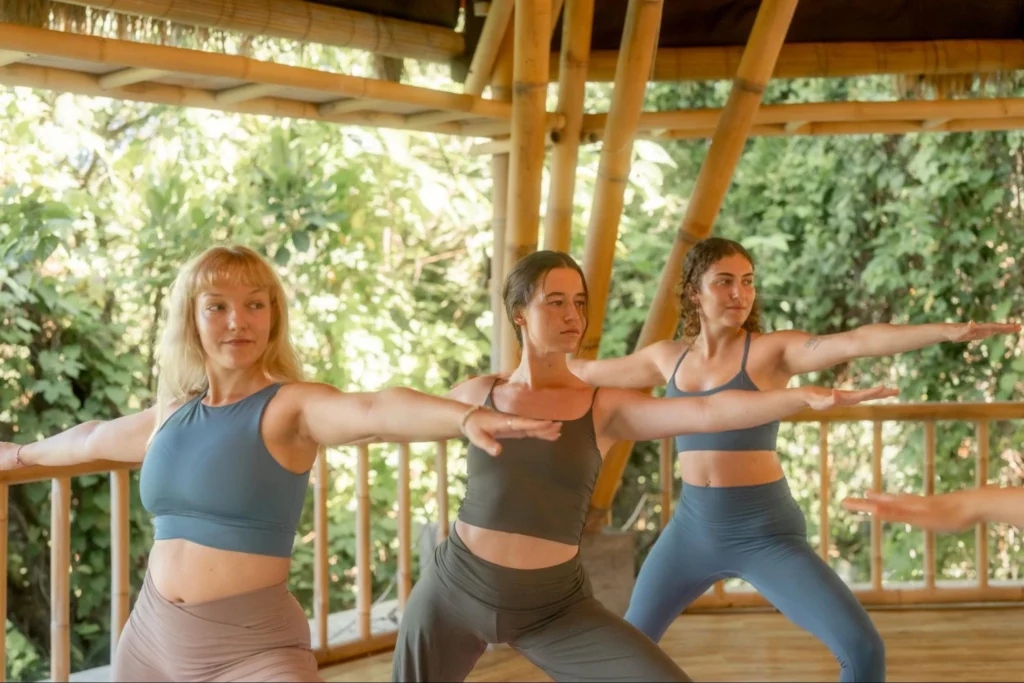
Six things, roughly in the order they are worth checking.
A Genuine Residential Setup
There is a real difference between a scenic venue you travel to each day and living within the training environment for the full program. Residential means your accommodation, sessions and meals are in one place, which removes daily transit and makes breaks usable for rest. Ask directly which arrangement a program uses, because both get described as immersive.
A Structured 200-Hour Curriculum
Check that the hours are distributed across asana, breathwork, anatomy, philosophy, meditation, teaching methodology, supervised practice teaching and assessment — not concentrated almost entirely in physical practice. For a fuller breakdown, see what a 200-hour yoga teacher training covers.
Training Spaces That Make the Most of the Natural Setting
A nature-based training environment can add a lot to the residential experience when the spaces are designed to work with the surroundings. Look at whether practice and study areas allow students to benefit from fresh air, natural light, greenery and a quieter atmosphere while still supporting focused training throughout the day. The best setup is one where the natural environment feels integrated into the learning experience rather than simply serving as a backdrop.
Accommodation That Works for a Full Training
Check how many people share each room category, what amenities are listed, and how far rooms sit from the training spaces. Across three weeks on an early schedule, rest quality matters more than it would on a holiday, and the walk between your room and the shala is something you will do several times a day.
Meals and Daily Logistics
Confirm which meals are included and on which days, how dietary requirements are handled, what drinking water arrangements are, and when meals are served relative to practice. Anything not included is something you arrange yourself, which is harder in a remote setting than in a town.
Accessibility and Transportation
Establish how students reach the property, whether any transport is provided, and what the terrain is like once you arrive. Remote and elevated settings can involve steps, slopes or unpaved paths. If mobility or access matters to you, ask the school directly rather than inferring from photographs.
Jungle, Beach or Mountain: Which Setting Fits Your Training Style?
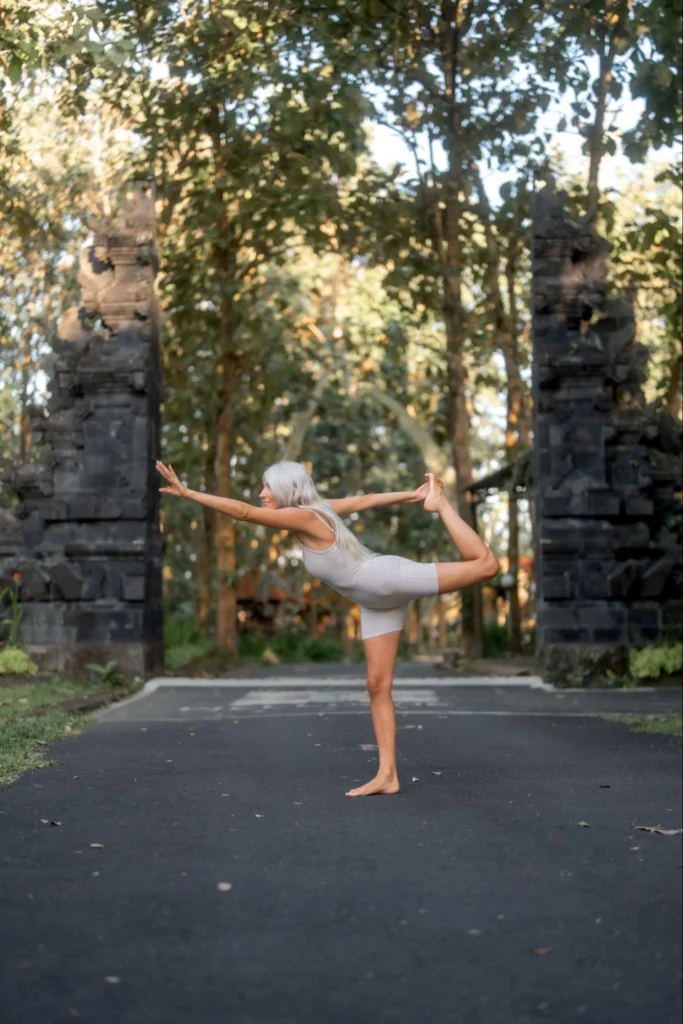
None is better than the others. They differ in practical ways that may or may not suit you, and the specific property matters more than the category.
Jungle Settings
Dense natural surroundings and a more enclosed, contained feel. Distance from towns and amenities varies widely by property. Humidity and rainfall can shape how outdoor sessions run, so indoor alternatives are worth checking.
Beach Settings
A coastal environment and generally a more open, outward-facing setting. Depending on location there may be more tourism activity nearby, which cuts both ways — more to do in free time, potentially more noise and movement around the property.
Mountain or Highland Settings
Typically cooler and more elevated than coastal locations, though this depends entirely on the destination. Transport and terrain are usually the bigger practical considerations, both reaching the property and moving around it.
The honest conclusion is that the property determines your experience far more than the category does. Two jungle programs ten kilometers apart can feel entirely different.
Amertham: Our Jungle-Based 200-Hour YTT in Bali
What Is Amertham?
Amertham is our residential 200-hour yoga teacher training location in Bali. The program runs 20 nights — approximately three weeks — with students staying and training at the same property.
What Is the Amertham Setting Like?
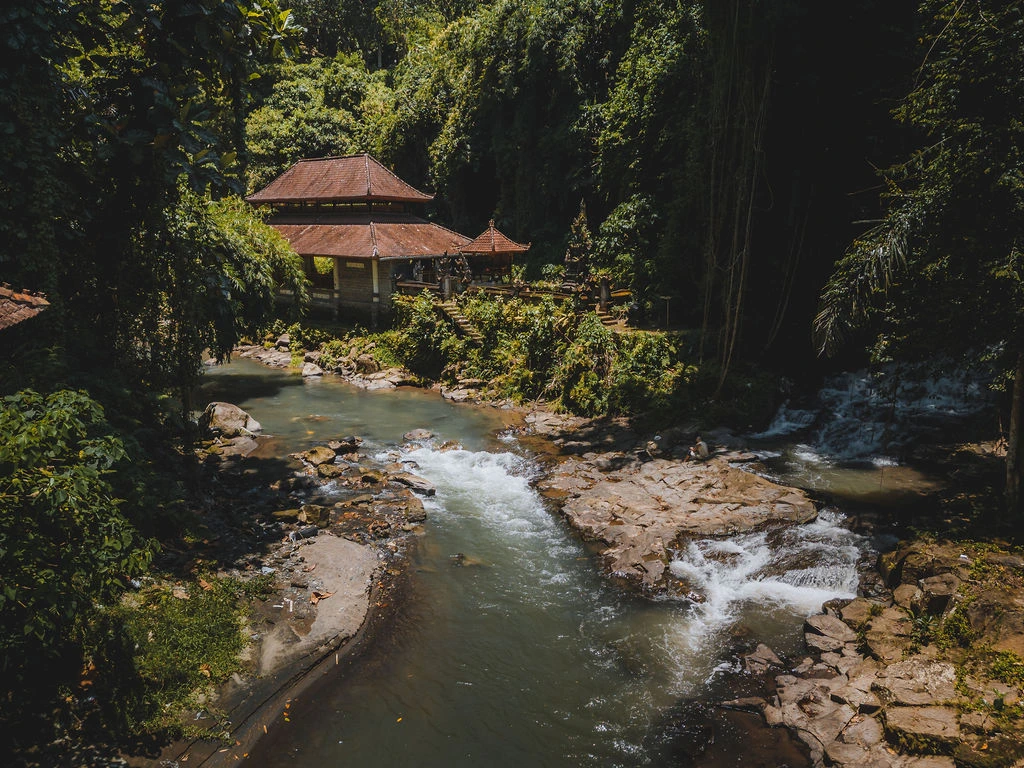
Amertham is a secluded jungle sanctuary set above a deep river gorge, surrounded by dense greenery and the constant sound of flowing water. Our current Amertham program information lists more than ten waterfall locations within 10 km and three of Bali’s largest natural parks within approximately a 20-minute drive.
These are our current published proximity figures, and they describe distance rather than guaranteed access during the training schedule. If visiting waterfalls or parks during the training matters to you, contact our team so we can help clarify what may be realistically reachable around the training schedule.
How Is the Training Structured?
Week one builds a Hatha yoga foundation, week two moves into Vinyasa Flow, and week three covers Ashtanga alongside teaching development. The program ends with practical and theoretical examinations. Our curriculum also includes teaching methodology, alignment, adjustments, biomechanics, injury-prevention considerations, pranayama, philosophy, meditation and several further practices. If you are weighing the styles, compare Hatha, Vinyasa and Ashtanga teacher training.
What Does Residential Living Include?
The 20 nights are included in the program, across four room categories: a four-bed female dorm, a three-bed female triple, a two-bed female-only twin, and a private room with a double bed. Current listings include a shower, air conditioning, hot water and Wi-Fi. Breakfast, lunch and dinner are currently listed as included.
| Explore Amertham’s 200-Hour Yoga Teacher Training
If a residential jungle setting fits the type of training environment you are looking for, review our current Amertham dates, room options, inclusions and availability on the Amertham program page. View Amertham Program Details. |
Who May Prefer Amertham’s Training Environment?
This setting may suit you if several of these describe what you want:
- A residential format where you stay and train in one place
- A nature-focused environment rather than a town or urban setting
- Accommodation integrated with the training rather than booked separately
- A multi-style 200-hour curriculum rather than a single lineage
- A structured three-week schedule
If you would rather have cafés, studios and transport on the doorstep, or you know you need variety outside the training day, a setting closer to a town will serve you better — and that is worth establishing before booking rather than discovering in week two.
Can Beginners Choose an Immersive Nature-Based YTT?
Yes, depending on the school’s entry requirements, which vary and should be checked individually. Our Amertham training is open to all levels, including complete beginners. For what a first training actually asks of you and how to prepare, see our guide to beginner yoga teacher training in Bali.
What Should a 200-Hour Nature-Based YTT Teach?
The same things any 200-hour program should teach. A natural setting does not change the syllabus requirements, and a program that leans on its location to compensate for a thin curriculum is the thing this article exists to help you spot.
Look for asana, pranayama, philosophy, anatomy and functional movement, meditation, teaching methodology, sequencing, supervised practice teaching and a clear assessment process. Amertham is one example of a multi-style structure, moving through Hatha, Vinyasa and Ashtanga across three weeks with examinations at the end.
How Do You Evaluate the Setting Without Being Distracted by Marketing?
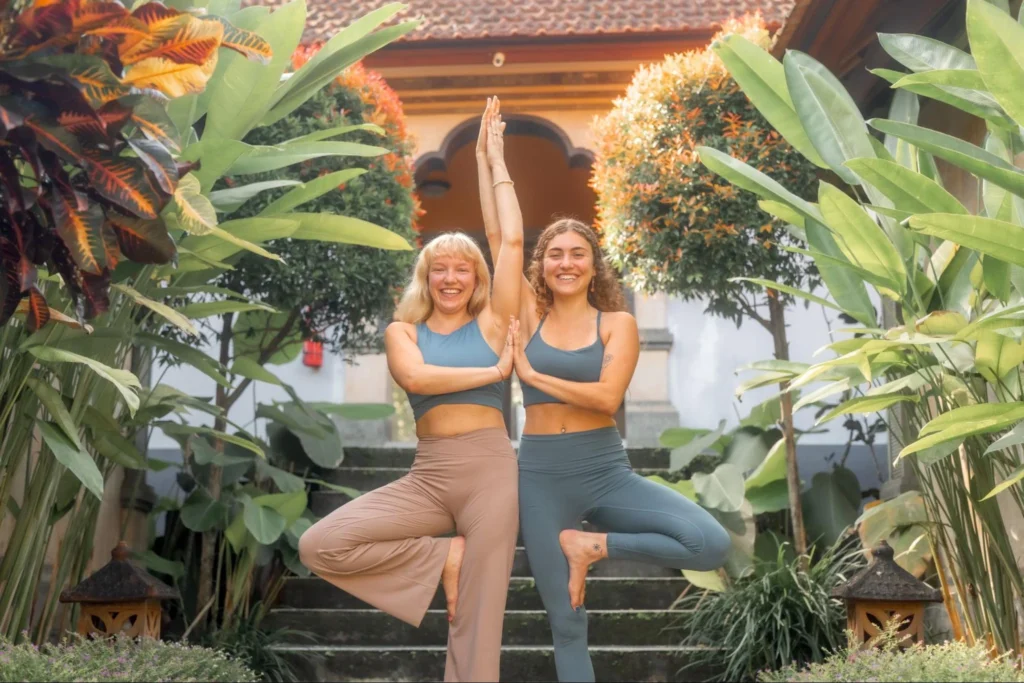
Eleven questions that separate a genuinely immersive program from a well-photographed one:
- Is accommodation actually on site, or nearby, or arranged by you?
- How far are the training spaces from the rooms?
- Which meals are included, and on which days?
- Is Wi-Fi available, and is it reliable enough for what you need?
- What transportation is required to reach the property, and is any provided?
- Is outdoor access genuinely practical on a training day, or only nearby on a map?
- Is the site accessible given your own mobility and needs?
- Are the photographs current, and do they show the actual property?
- Are the environment claims specific and checkable, or atmospheric and vague?
- Would the curriculum still stand up if you removed the scenery entirely?
The last question is the most useful one. If a program’s case for itself collapses without the photographs, the photographs were doing the work.
What Should You Check Before Booking a Residential YTT in Bali?
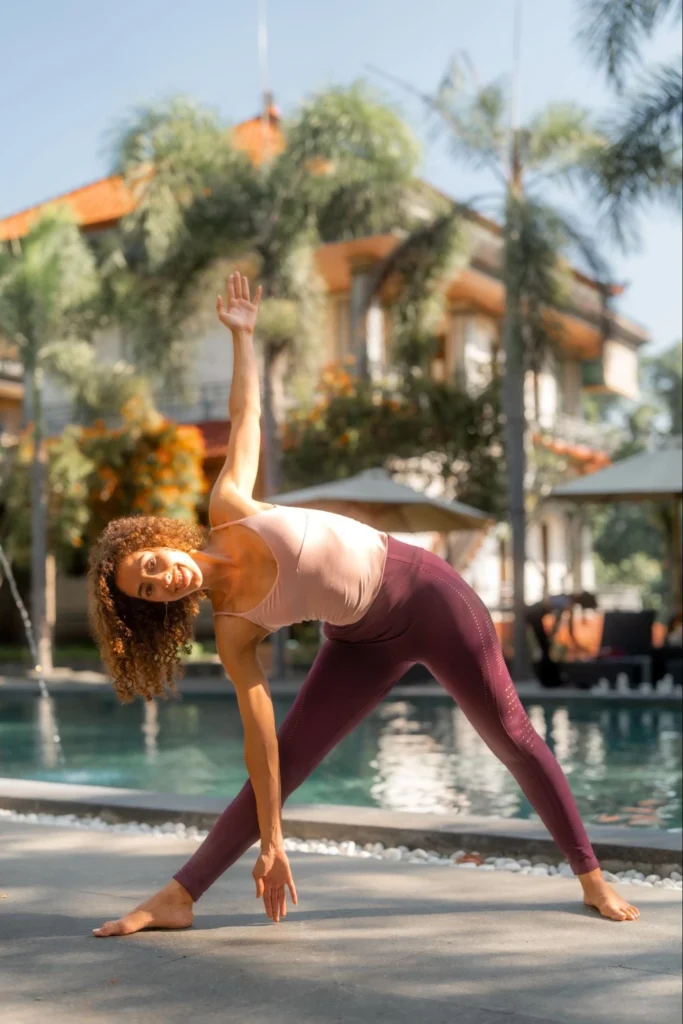
A final checklist, applicable to any school:
- Curriculum and total training hours
- Format — residential, hybrid or commute
- Current dates, and which are still open
- Teaching methodology and how much supervised teaching is included
- Assessment — what form it takes and when
- Accommodation categories and occupancy
- Meals included
- Transportation and accessibility arrangements
- Total cost, including what sits outside the package
- Cancellation and rescheduling terms
- The certificate issued on completion
- The school’s current Yoga Alliance registration status, if that matters to you
For Amertham specifically, check our current dates, room options and availability on the Amertham program page. Airport transfers are not included, but we can share the contact details of trusted drivers who have been driving our students for years. For a wider view of the options across the island, see our complete guide to yoga teacher training in Bali.
What Does Yoga Alliance Registration Mean?
Three abbreviations, routinely used as if interchangeable. YTT 200 is the training program itself. RYS 200 describes a school registered with Yoga Alliance at the 200-hour level. RYT 200 is an individual teacher registration, subject to Yoga Alliance’s own requirements.
Completing a program earns you that school’s completion certificate. Individual registration is a separate application with its own requirements and fees, and those requirements change. Verify the school’s current registration status, the certificate it issues, and any registration steps relevant to your goals — and understand Yoga Alliance 200-hour training and RYT registration before assuming what a certificate allows.
FAQs
What is an immersive yoga teacher training?
It generally means a residential or highly integrated program where students live at or beside the training venue, follow a structured daily schedule, and spend most of their time within the training environment. It is not an official credential or a standardized category, so check what a specific school means by it.
Is a residential YTT the same as a yoga retreat?
No. A wellness-focused retreat is built around rest, with sessions usually optional. A teacher training is a qualification program with a set curriculum, a daily timetable, supervised teaching practice and assessments. Both may take place in similar settings, but the commitment and the outcome differ.
Is jungle yoga teacher training better than beach training?
Neither is better. They differ in practical ways — enclosure, humidity, proximity to towns, transport, how much activity surrounds the property. The specific property matters far more than the category, and the curriculum matters more than either.
How long is Amertham’s 200-hour yoga teacher training?
Twenty nights, approximately three weeks, delivered in person as a residential program with students staying at the training property. Practical and theoretical examinations fall at the end of the training.
Does Amertham include accommodation?
Yes. The 20 nights are included in the program, across four room categories: a four-bed female dorm, a three-bed female triple, a two-bed female-only twin, and a private room. Current listings include a shower, air conditioning, hot water and Wi-Fi.
Are meals included at Amertham?
Yes. Breakfast, lunch and dinner are currently included with our Amertham residential packages. We serve vegetarian, Ayurvedic-inspired meals.
Can beginners join Amertham?
Our Amertham 200-hour training is open to all levels, including complete beginners, and you do not need to plan on becoming a yoga teacher to join. Entry requirements differ between schools, so check each program individually.
Where can I check current Amertham dates and availability?
On our Amertham 200-hour yoga teacher training page, where we publish current dates, room options and booking details Dates and availability change, so check our Amertham program page for the latest booking information.
Choose the Training Environment That Fits Your Goals
A natural setting is one factor in choosing a teacher training, and a real one — it shapes your daily routine, your rest and how you spend three weeks. It is not a substitute for a curriculum that teaches you to teach, instructors who can deliver it, or an assessment that means something. Weigh both, and be honest about which environment you will actually thrive in rather than which photographs you prefer.
Amertham is one of our residential, jungle-based training options in Bali. Whether it fits depends on your goals and on details that can change, so check our live Amertham program page before deciding.
| Explore Amertham’s 200-Hour YTT in Bali
Review our current dates, room options, inclusions and availability on the Amertham program page. View Amertham Dates & Room Options. |