
Yoga teacher training in Thailand refers to certified immersive programs that equip students with the skills, philosophy, and methodology to teach yoga professionally. These programs are structured around internationally recognized standards, typically spanning 200 or 500 hours, and take place in dedicated retreat environments across Thailand’s cultural and natural landscapes. A yoga teacher training program in Thailand is considered one of the most sought-after certification pathways globally due to its combination of traditional lineage, experienced faculty, and transformative living environment.
Every year, thousands of yoga practitioners from around the world make a life-changing decision: they travel to Southeast Asia to pursue formal training. Thailand, in particular, has become one of the world’s most respected destinations for this journey. The combination of a welcoming culture, affordable living costs, lush natural settings, and deeply knowledgeable teachers has made yoga teacher training in Thailand programs a top choice for both beginners and experienced practitioners alike.
Whether you are stepping onto the mat for the first time with teaching ambitions or deepening a practice you have held for years, the right program can redefine your relationship with yoga, and with yourself.
Why Thailand Is a Premier Destination for Yoga Training
Thailand offers something rare: a setting where ancient spiritual tradition and modern wellness practice exist side by side. The country’s Buddhist heritage, emphasis on mindfulness, and deep reverence for the body create an environment that naturally supports yoga study.
Training here is not simply an academic exercise. The lifestyle itself, from the food to the morning routines to the daily immersion in nature, reinforces what students are learning on the mat. That integration is difficult to replicate anywhere else.
Key Advantages of Training in Thailand
- Lower cost of living compared to Western training programs
- Access to experienced international and locally trained teachers
- Year-round warm climate suited to intensive practice
- Strong community of like-minded practitioners from around the world
- Proximity to temples, meditation centers, and holistic wellness traditions
If you are also exploring other parts of Southeast Asia, it is worth noting that the best yoga teacher trainings in Bali programs share many of these cultural qualities, though each destination carries its own distinct energy and teaching style.
What to Expect From a 200-Hour Yoga Teacher Training
A 200-hour program is the globally recognized entry point for yoga certification. Governed by Yoga Alliance standards, these programs cover the core pillars of yoga education and are required before pursuing advanced credentials.
Core Curriculum Areas
- Yoga philosophy: Patanjali’s Yoga Sutras, the eight limbs, ethical principles
- Anatomy and physiology: how the body moves, injury prevention, alignment science
- Teaching methodology: sequencing, cueing, classroom management, hands-on assists
- Pranayama and breathwork: foundational breathing practices and their effects
- Meditation and mindfulness: guided and self-led practice techniques
- Practical teaching hours: supervised practice with feedback
You can explore the full range of structured offerings by visiting the Yoga Retreat Programs at House of OM, where 200-hour and immersive retreat formats are detailed.
Choosing the Right Program: A Practical Framework
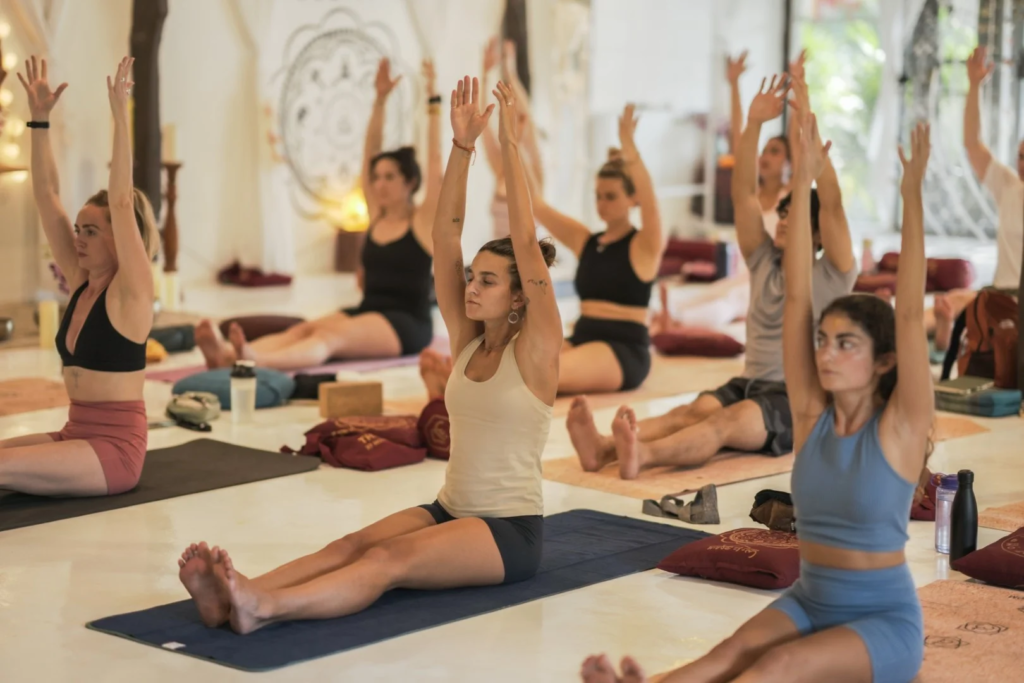
Not all teacher training programs deliver the same experience or outcome. When comparing your options, there are several factors that separate high-quality programs from generic offerings.
Program Selection Checklist
- Yoga Alliance accreditation (RYS 200 or RYS 500)
- Faculty credentials and years of active teaching experience
- Curriculum transparency: published schedules, syllabi, and learning outcomes
- Post-certification support and alumni community
- Honest student testimonials and verifiable reviews
Before enrolling, take time to review instructor profiles on the Our Teachers page, where you can learn about their backgrounds, lineages, and teaching philosophies. The depth of your training will reflect the depth of those who guide you.
Training Format Comparison
| Feature | In-Person Thailand | Online Program | Other Destinations |
| Cultural Immersion | Deep, daily exposure | Limited | Varies |
| Authentic Lineage | Traditional Thai influence | Instructor-dependent | Mixed |
| Cost | Competitive | Low to mid | Often higher |
| Community | Residency cohort | Virtual only | Cohort-based |
| Certification | Internationally recognized | Varies widely | Recognized |
| Flexibility | Structured schedule | Self-paced | Structured |
What Makes a World-Class Yoga Training Program
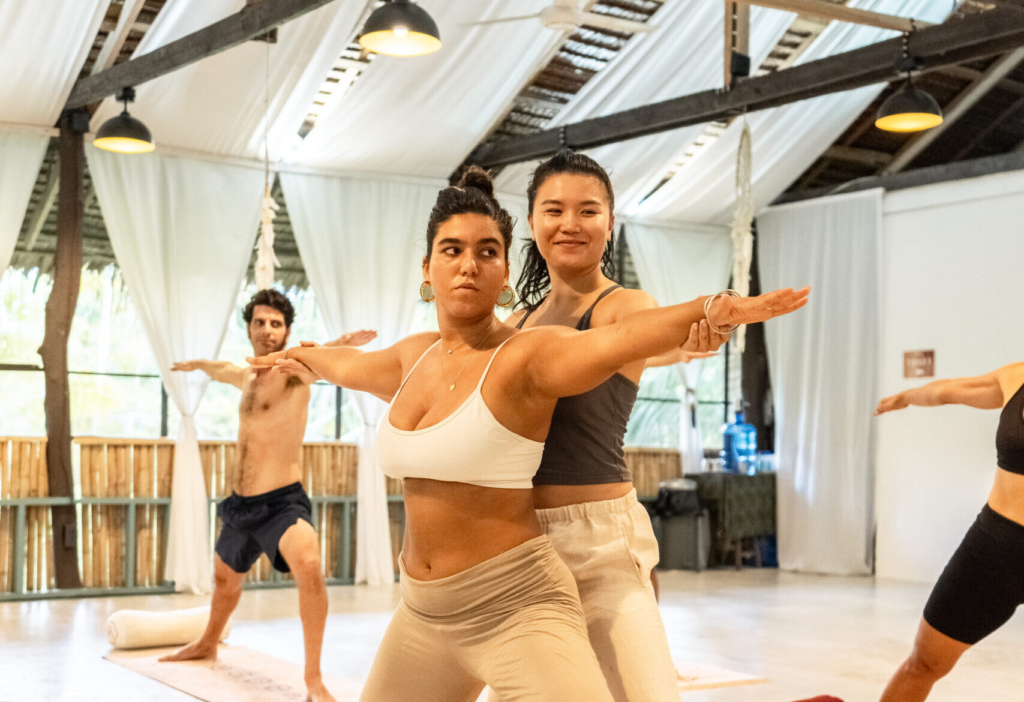
When people search for the best yoga teacher training courses in the world, they are looking for more than a certificate. They want transformation. The programs that consistently earn that reputation share a few defining qualities.
Markers of an Exceptional Program
- Rooted in authentic lineage, not trend-driven curriculum
- Faculty who teach from lived experience, not theory alone
- A structured container: clear schedule, daily practice, reflective space
- Integration of philosophy with physical practice
- Real teaching practice and constructive peer feedback
- Support that continues after graduation
Read what past graduates have experienced by visiting the Testimonials page. Hearing directly from former students gives you a realistic picture of what the training looks and feels like from the inside.
You can also watch a program overview video to see the environment, the teachers, and the daily rhythm of training life before making your decision.
Online vs. In-Person: Understanding the Difference
The rise of remote learning has made online yoga teacher training programs more accessible than ever. For those who cannot travel or are balancing work and family commitments, a quality online program can provide solid foundational knowledge.
However, in-person training in a destination like Thailand offers dimensions that are difficult to replicate on a screen: physical adjustments, the energy of a shared practice space, unscripted conversation with teachers during meals, and the personal breakthroughs that come from full immersion.
How They Compare
- Online: self-paced, accessible, more affordable, limited physical feedback
- In-person Thailand: immersive, transformative, culturally rich, community-centered
- Hybrid: structured curriculum with an in-person intensive component
For those who are serious about teaching professionally and want an experience that reshapes them beyond the technical, in-person training in Thailand remains the gold standard.
Exploring Yoga Teacher Training Programs in Thailand
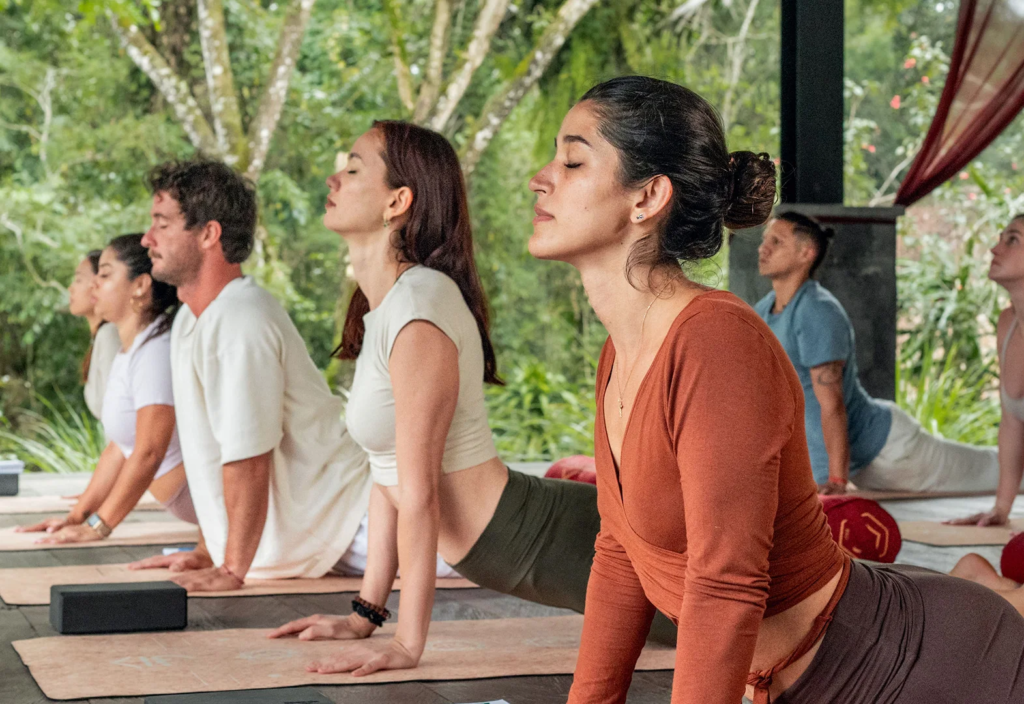
There is no shortage of yoga teacher training programs Thailand offers to the global student. From short retreat-style intensives to full 28-day residential trainings, the range of formats reflects the diversity of students who come seeking them.
When choosing between programmes, consider what the training experience offers throughout the programme, including the quality of teaching, learning environment, curriculum, and opportunities for personal growth. A strong foundation can support your continued development as both a practitioner and a teacher long after the training has ended.
Questions to Ask Before You Enroll
- Does the program include both philosophy and practical teaching hours?
- Are assessments included, and how is competency measured?
- What happens if you need to withdraw or defer?
- How large is the typical student cohort?
Thailand’s yoga community is also supported by global wellness authorities. For example, Yoga Alliance sets international standards for yoga education, providing accreditation that gives certifications global recognition. Similarly, organizations like Yoga Journal offer extensive practitioner resources for ongoing education and professional development.
Life During Training: Daily Schedule and Environment
One of the most consistent things graduates say about their experience is that the environment itself was part of the teaching. Waking before sunrise for meditation, moving through asana practice before the heat of the day builds, sharing meals with fellow students, and spending evenings with philosophy texts, these rhythms create a kind of inner stability that follows you home.
A Typical Training Day
- 5:45 AM: Morning meditation and pranayama
- 6:30 AM: Asana practice (primary style)
- 8:30 AM: Breakfast and rest
- 10:00 AM: Anatomy or philosophy lecture
- 12:30 PM: Lunch and self-study
- 3:00 PM: Teaching methodology and practicum
- 5:30 PM: Evening practice or restorative session
- 7:00 PM: Dinner and group discussion or journaling
This structure is not rigid, but it is intentional. The repetition builds discipline, the community builds trust, and the space between sessions builds reflection.
Frequently Asked Questions
How long does yoga teacher training in Thailand typically take?
Most foundational 200-hour programs run between 21 and 28 days in a residential format. Intensive programs compress the hours while maintaining the required curriculum, while part-time or modular programs may span several weeks or months.
Do I need prior yoga experience to enroll in a teacher training?
Most reputable programs require a minimum of one to two years of consistent personal practice before enrollment. This baseline allows students to focus on teaching skills rather than learning foundational postures during the training itself. Some programs accept complete beginners, but these are exceptions. Check with each school directly about their prerequisites.
Is a yoga teacher training certificate from Thailand recognized internationally?
Yes, provided the program is accredited by Yoga Alliance (RYS 200 or RYS 500). Yoga Alliance is the most widely recognized international body for yoga education, and its credentials are accepted by studios, gyms, and wellness centers in most countries. Always verify accreditation before enrolling.
What is the cost of a 200-hour yoga teacher training program in Thailand?
Costs vary based on accommodation, location, and program structure. A typical 200-hour residential training in Thailand ranges from approximately USD 1,500 to USD 3,500, which often includes accommodation, meals, and course materials. This represents significantly better value than equivalent programs in Europe, North America, or Australia without sacrificing quality.
Can I teach yoga professionally after completing a 200-hour training?
Yes. A 200-hour Yoga Alliance certification is the minimum credential required to teach at most studios and gyms worldwide. After completing your training, you can register as a Registered Yoga Teacher (RYT 200) with Yoga Alliance, which provides professional credibility and makes you eligible to teach globally. Many graduates go on to pursue 500-hour or specialized trainings to broaden their scope of teaching.
| Your Journey Starts With One Step
The mat is ready. The teachers are waiting. The only thing missing is you. Whether you are ready to enroll today or still exploring your options, the team at House of OM is here to help you find the path that is right for you. |
Explore all available programs and training schedules at House of OM.