
A yoga course in Bali can take many forms, from shorter speciality trainings to full 200-hour and 300-hour yoga teacher training certifications. Most comprehensive trainings combine daily asana practice with yoga philosophy, anatomy, pranayama, meditation, and teaching methodology, creating a balanced approach to both personal practice and teaching skills.
Bali has become one of the world’s most popular destinations for yoga teacher training, offering a unique combination of natural beauty, rich culture, and a welcoming international yoga community.
Many students choose a program in Bali to deepen their personal practice, explore the philosophy behind yoga, and connect with a like-minded community.
This guide breaks down what these programs actually involve, how much they cost, and what separates a strong training from a forgettable one.
What Is a Yoga Course in Bali?
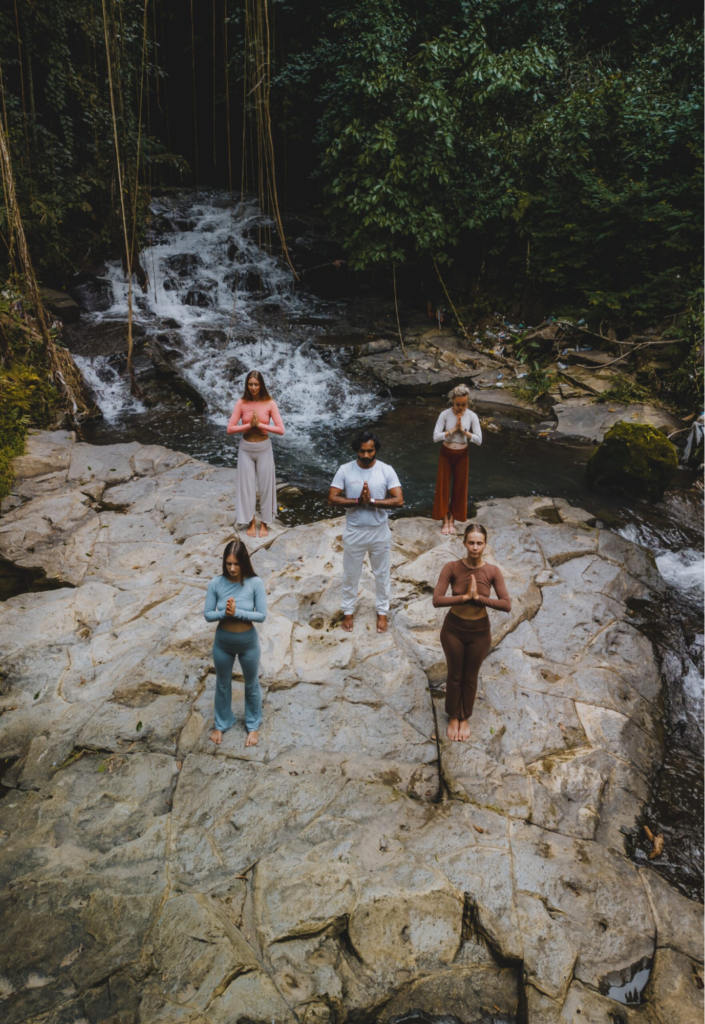
A yoga course in Bali is a guided training program that takes students from wherever they currently are in their practice to a deeper, more technical understanding of yoga as a discipline. Courses are usually grouped by total training hours, which follow international teaching standards. Unlike a single drop-in class, these programs are sequential. Each day builds on the last, so concepts introduced in week one are tested and refined by week three or four.
Most schools also separate students by experience level during certain sessions, so beginners are not expected to keep pace with practitioners who have studied for years. This structure helps explain why so many people leave with skills they can immediately apply, whether or not they plan to teach professionally.
Here is a simple breakdown of how these programs are typically structured:
| Course Type | Typical Length | Best Suited For |
| Intensive Retreat | 7 to 14 days | Beginners wanting a deep dive without full certification |
| 100-Hour Training | 2 to 3 weeks | Practitioners building a foundation before 200-hour study |
| 200-Hour Training | 3 to 4 weeks | First-time teachers seeking entry-level certification |
| 300-Hour Training | 4 to 6 weeks | Certified teachers advancing toward a 500-hour level |
Each format covers a mix of physical practice, anatomy, breathwork, meditation, and the philosophy behind the postures, not just the postures themselves.
Why Bali Is a Leading Destination for Yoga Training
Several practical and cultural factors make Bali stand out as a training location:
- An established yoga community with a wide range of training providers
- A tropical climate that supports outdoor and open-air practice spaces year-round
- Lower daily living costs compared to studying in major Western cities
- A culture that already values spiritual practice and mindfulness
- Easy access to nature, including rice terraces, ocean, and forest, which supports recovery between sessions
These conditions allow students to focus fully on their training instead of juggling work, traffic, and daily distractions back home.
How to Choose a Yoga Teacher Training
Picking the right program matters more than picking the right island. If you are researching how to choose a yoga teacher training, look closely at these factors before signing up:
- Accreditation: Confirm the school’s certification is recognized by an established credentialing body.
- Teacher experience: Ask how long the lead instructors have been teaching and training others.
- Class size: Smaller groups generally mean more individual feedback and correction.
- Curriculum balance: A strong program covers physical practice, anatomy, philosophy, and teaching skills, not just advanced postures.
- Post-training support: Some schools offer mentorship or community access after graduation, which can matter once you start teaching.
Reviewing the school’s website, curriculum, and student feedback can help you understand the program before enrolling.
What Makes the Best Yoga Teacher Training in Bali
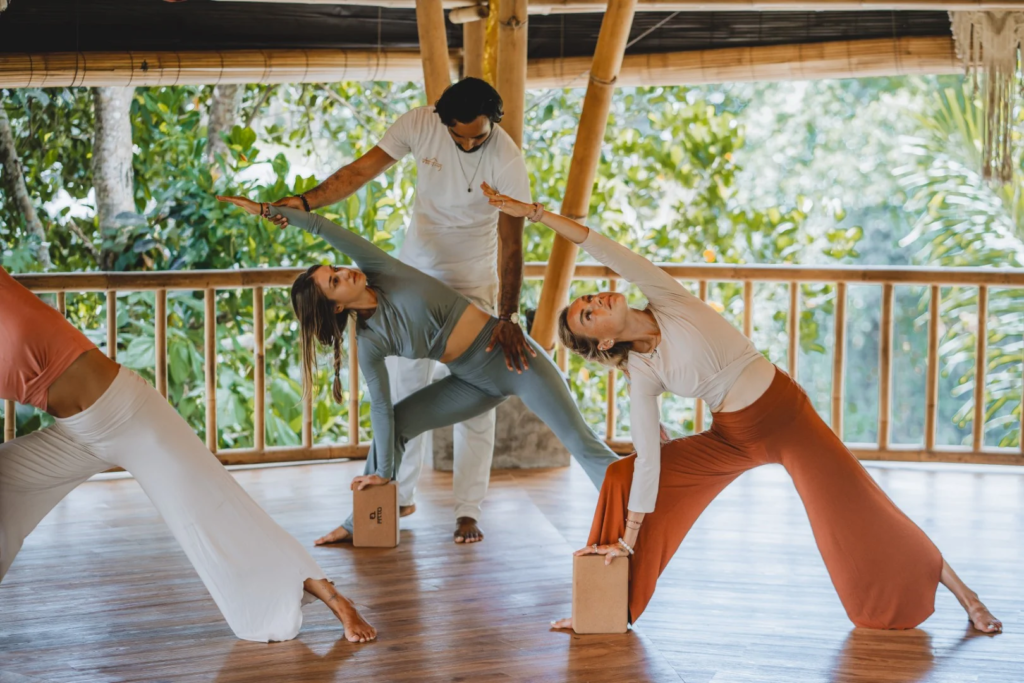
Not every program delivers the same depth of education. The best yoga teacher training Bali programs tend to share a few traits in common: experienced senior instructors, a clear daily structure, manageable group sizes, and a curriculum that prepares graduates to actually teach, not just to deepen their own practice.
Instructor quality is often the biggest differentiator. Reviewing a school’s teaching faculty before enrolling gives you a clearer sense of who will actually be guiding your sessions and what background they bring to the mat.
Reading recent student reviews can provide useful insights into the learning experience and course structure.
How Much Does Yoga Teacher Training Cost
Pricing varies widely depending on length, accommodation type, and meal inclusions. Understanding how much does yoga teacher training cost before you book helps you compare programs fairly rather than choosing based on price alone.
Program costs vary depending on the duration, accommodation type, class size, and included services
Finding an Affordable Yoga Teacher Training in Bali
Cost should never be the only deciding factor, but budget is a real constraint for most students. There are practical ways to find an affordable yoga teacher training Bali program without cutting corners on quality:
- Book during the off-peak travel season for lower accommodation rates
- Choose shared rooms instead of private villas
- Look for programs that bundle meals and materials into one upfront price
- Check whether the school offers any available promotions or flexible payment options.
- Compare what is actually included, since a lower sticker price sometimes excludes meals or transport
If a retreat experience appeals to you more than a full certification right now, exploring dedicated yoga retreat programs can be a lower-commitment way to experience the training environment before enrolling in a longer course.
What a Typical Training Day Looks Like
Most programs follow a consistent daily rhythm designed to build discipline without causing burnout:
- Early morning meditation or pranayama session
- Morning asana practice, often two to three hours
- Breakfast and short rest period
- Anatomy, philosophy, or teaching methodology lecture
- Afternoon practice or workshop session
- Evening reflection, journaling, or optional practice
This structure repeats with small variations throughout the course, giving the body time to adapt while still progressing technically each week.
Common Mistakes to Avoid When Selecting a Program
Even motivated students sometimes choose the wrong program for their goals. A few avoidable mistakes show up again and again:
- Choosing based on price alone. The cheapest option sometimes cuts corners on instructor time, group size, or facilities.
- Skipping the curriculum details. Two programs with the same certification hours can cover very different material.
- Ignoring group size. Large class sizes may provide less individual feedback than smaller groups.
- Booking without checking accreditation. Hours completed at an unaccredited school may not count toward future certification levels.
- Underestimating the physical demands. Daily practice for several hours requires a baseline level of conditioning, so arriving a few weeks early to build stamina can make a noticeable difference.
Taking time to compare these details before paying a deposit prevents the most common source of regret among graduates.
What to Pack and Prepare Before You Arrive
A little preparation goes a long way once training begins. Most students find it helpful to arrive with:
- Lightweight, breathable clothing suited to daily practice in a warm, humid climate
- A personal yoga mat and small practice props, although many schools provide these
- A journal for daily reflection, since most curricula include some form of written self-study
- Any personal medications, along with a basic understanding of local pharmacy access
- A flexible mindset, since schedules in a retreat setting often run on a slower, less rigid clock than home
Arriving a day or two early also helps with jet lag, so the first official day of practice starts with a clear head rather than travel fatigue.
Certification and Accreditation
Most reputable programs in Bali align their curriculum with standards set by recognized credentialing organizations such as the Yoga Alliance, which sets baseline training hour requirements for 200-hour, 300-hour, and 500-hour teacher certifications. Accreditation requirements may vary between credentialing organisations, so it is important to verify a school’s status before enrolling.
Is a Yoga Course in Bali Right for You?
A yoga course in Bali works well for people who want structured, immersive learning rather than a casual class schedule fit around daily errands. It suits beginners looking for a strong foundation and experienced practitioners aiming to deepen their knowledge or move into teaching. If you are comparing options, starting from a trusted one and reviewing program details directly is a reliable way to confirm a school’s credentials before committing your time and money.
Frequently Asked Questions
How long does a yoga course in Bali typically take?
Most programs run between one week and six weeks. Shorter retreats focus on deepening practice, while 200-hour and 300-hour certifications take three to six weeks to complete the required training hours.
Do I need prior yoga experience to join a yoga teacher training?
Many 200-hour programs accept beginners with a basic, consistent practice. However, arriving with at least six months of regular practice makes the physical demands of daily training easier to manage.
What is included in the cost of a yoga teacher training in Bali?
Most program fees include accommodation, daily meals, course materials, and certification fees. Flights, visas, and personal spending money are usually separate costs.
Will I receive an internationally recognized certificate?
Yes, provided the school holds valid Yoga Alliance registration. Always verify directly on the Yoga Alliance website before enrolling.
What is the best time of year to do a yoga course in Bali?
Training programs are available throughout the year, although weather conditions vary by season.
Ready to Begin Your Practice?
If you’re considering a yoga course in Bali, explore House of Om’s programs to compare the curriculum, schedule, accommodation, and enrollment options before choosing the course that best matches your goals.