
Yoga teacher training is more than learning how to lead a class. It is an opportunity to deepen your own practice, explore the philosophy behind yoga, and develop the skills needed to guide others with confidence and awareness.
Understanding the Value of Top Yoga Teacher Training Programs
People turn to top yoga teacher training programs for more than a certificate. These courses offer a dedicated period to deepen personal practice, learn safe alignment principles, and develop the ability to guide others. Participants often report clearer focus, improved physical awareness, and a stronger sense of purpose after completion.
The structure typically spans several weeks of full immersion. Daily schedules include morning practice, lectures on ancient texts, anatomy sessions, and teaching practice rounds. This balanced approach builds both technical knowledge and teaching presence. Many programs also cover business basics, such as class sequencing and student engagement, to support new instructors entering the field.
Key Factors That Define Top Yoga Teacher Training Programs
Several elements separate strong programs from everage ones. A quality training should provide a strong foundation in both the practical and philosophical aspects of yoga while supporting your growth as a practitioner and future teacher.
Accreditation and Curriculum
A Yoga Alliance Registered School (RYS) follows recognised standards for training hours and curriculum. A comprehensive course should include asana, pranayama, meditation, yoga philosophy, anatomy, sequencing, teaching methodology, and practical teaching experience.
Experienced Teachers
The guidance of knowledgeable and supportive teachers is an important part of the journey. Look for instructors who combine experience, a strong personal practice, and the ability to guide students through both technical learning and personal development.
Community and Learning Environment
The people and environment around you shape your experience. Learning alongside an international community allows for connection, shared experiences, and opportunities to grow together throughout the training.
Benefits Students Gain from Top Yoga Teacher Training Programs
Completing a quality yoga teacher training program delivers benefits on multiple levels. Physically, participants refine alignment, build strength, and learn modifications for different body types. Mentally, the focus on breathwork and meditation often reduces stress and sharpens concentration.
Students have the opportunity to develop teaching skills, improve their understanding of yoga practice, and gain experience leading classes.
Long-term, the skills support continued learning. Alumni often pursue advanced modules or specialty trainings, keeping their practice fresh and relevant.
Popular Destinations for Immersive Yoga Teacher Training
Location shapes the training experience. Settings surrounded by nature encourage presence and reflection. Bali stands out for its blend of vibrant culture, lush landscapes, and established yoga community.
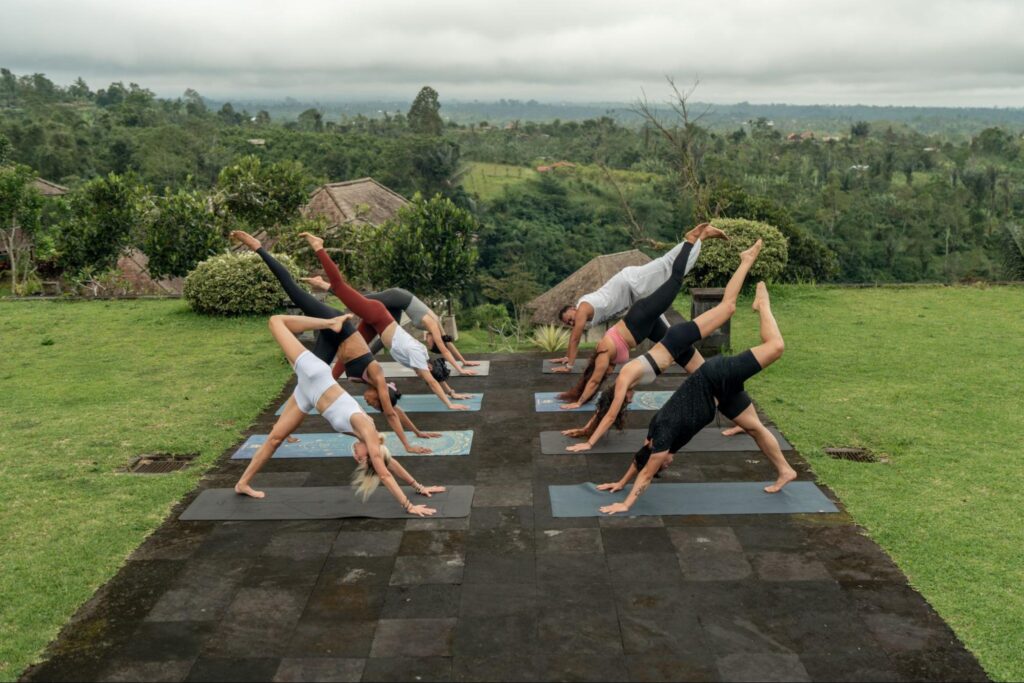
Many students looking for the best yoga teacher training in Bali are drawn to the tropical surroundings and Balinese culture. The island offers peaceful venues near rice fields or temples, where daily life flows naturally with practice. Hybrid formats allow flexibility while maintaining in-person depth.
India remains a classic choice, particularly areas rich in traditional teachings. Other destinations such as Thailand, Costa Rica, and parts of Europe provide varied climates and cultural insights. Each setting adds unique layers to the learning process.
Spotlight on the Best 200 Hour Yoga Teacher Training Foundations 

The 200-hour level serves as the standard entry point for most new teachers. It delivers the core hours required for registration while remaining accessible for busy professionals.
Strong 200-hour programs balance intensity with recovery time. They include plenty of practice teaching so participants gain real feedback before leading full classes. The best 200-hour yoga teacher training options often feature hybrid schedules that combine live sessions with self-paced modules, making certification reachable without extended travel.
Daily schedules vary between schools but typically include yoga practice, lectures, meditation, teaching methodology, and self-study.
| Aspect | 200-Hour Program | 300-Hour Advanced Program |
| Focus | Foundational skills and teaching | Refinement, sequencing, specialties |
| Prerequisites | None or basic practice | Completed 200-hour certification |
| Ideal For | Beginners to intermediate | Experienced teachers seeking depth |
This comparison helps match programs to individual goals and timelines.
Hybrid and Flexible Formats in Modern Programs
Today’s learners value options that fit around work and family. Hybrid models combine in-person immersion with online components. Students complete theory modules at home, then join live intensives for practice and feedback.
This approach reduces travel costs while preserving the community aspect. Many programs record sessions for review, allowing participants to revisit complex topics. The flexibility helps working professionals complete certification without pausing their careers.
Real Student Experiences and Lasting Transformations
Stories from past participants highlight common threads: deeper self-awareness, renewed energy, and readiness to share yoga with others. Many describe the training as a turning point that clarified career direction or strengthened personal boundaries.
Reading recent student reviews can provide useful insights into the learning experience, teaching approach, and course structure.
Reviews and shared stories provide reliable insight. Platforms and school pages featuring genuine student feedback reveal patterns of growth, community warmth, and practical skill development.
Preparing Effectively for Your Yoga Teacher Training
Preparation starts months ahead. Build a consistent home practice to enter with confidence. Read introductory texts on yoga history and philosophy. Pack comfortable clothing, a journal, and an open mindset.
Review the school’s daily schedule and dietary guidelines. Arrive rested and ready to engage fully. Setting clear personal intentions, such as improving alignment or building teaching voice, keeps focus sharp throughout the weeks.
How to Choose the Right Program Among Top Options
Begin by clarifying your goals. Do you seek personal deepening, professional certification, or both? Consider learning style preferences: full immersion, hybrid, or online.
Research instructor bios and sample curricula. Reach out with specific questions about support for beginners or injury modifications. Compare inclusions such as meals, accommodation, and post-training resources.
Trust programs that emphasize safety, ethics, and ongoing mentorship. The right fit feels aligned with your values and lifestyle.
How Much Do Top Yoga Teacher Training Programs Typically Cost?
Program fees vary depending on the school, accommodation, duration, and included services. Hybrid formats often fall in the middle. Factor in travel, visa fees, and any required books or props. Many schools offer payment plans or early-bird discounts to improve accessibility.
Do You Need Prior Yoga Experience to Join a Top Program?
No prior teaching experience is required for most 200-hour courses. Many programs recommend a regular personal yoga practice before enrolling, but many schools welcome complete beginners with sincere interest. Instructors adjust pacing and provide modifications to support all levels.
How Long Does a Standard Yoga Teacher Training Program Last?
A 200-hour program usually spans 20 to 35 days of intensive training or spreads across several months in hybrid format. Advanced 300-hour programs extend longer, often 4 to 8 weeks or modular weekends over time. The exact length depends on the chosen schedule and location.
Are Online or Hybrid Yoga Teacher Trainings as Effective as Fully In-Person?
Hybrid and quality online formats deliver strong results when they include live teaching practice and feedback. They suit learners who need schedule flexibility. In-person elements remain valuable for hands-on adjustments and community building. Many graduates report equal confidence and skill development from well-designed hybrid paths.
What Certification Do Graduates of Top Yoga Teacher Training Programs Receive?
Most recognised yoga teacher trainings offer a 200-hour or 300-hour certification upon completion. Schools registered with Yoga Alliance follow established standards, allowing graduates to register as RYT 200 or RYT 500 teachers. Recognition requirements can vary depending on employers, organisations, and local regulations.
Completing a yoga teacher training is about more than receiving a certificate. The experience helps students deepen their practice, develop teaching skills, and build confidence in sharing yoga with others. The knowledge, connections, and personal growth gained throughout the journey often continue long after the training ends.
If you feel ready to step into this transformative process, the next action is simple. Reach out to a school whose values resonate with yours.
Begin your path today by contacting the team at House of Om. Their supportive community and structured programs have guided thousands toward confident teaching and deeper living. Your own story of growth awaits.