
| Yoga teacher training at The Mansion in Ubud is a 20-night residential program. You stay and train at the same property, following a structured daily schedule that begins at 06:00 and runs to the evening, across three weeks organized around Hatha, Vinyasa Flow, and Ashtanga. Rest periods are built into each day, and central Ubud is about 10 minutes away. |
YTT stands for Yoga Teacher Training. What follows is a session-by-session account of how the three weeks actually run.
A three-week residential 200-hour training
The program covers 200 hours across 20 nights. It is continuous rather than modular, so the three weeks form a single block of study.
Training and accommodation at the same Ubud property
You sleep and train in the same place. There is no daily commute, and the walk from your room to the practice space is the only travel in a training day.
Structured practice, study and teaching development
Each day combines physical practice, theory, and teaching work. The structure is fixed enough to build momentum and varied enough that no two sessions in a day are the same kind of work.
Time to rest and explore Ubud between training commitments
Meal periods and breaks are part of the published schedule, and the longest gap falls around lunch. Ubud is close enough to reach in the gaps without disrupting the training day.
The Mansion Yoga Teacher Training at a Glance
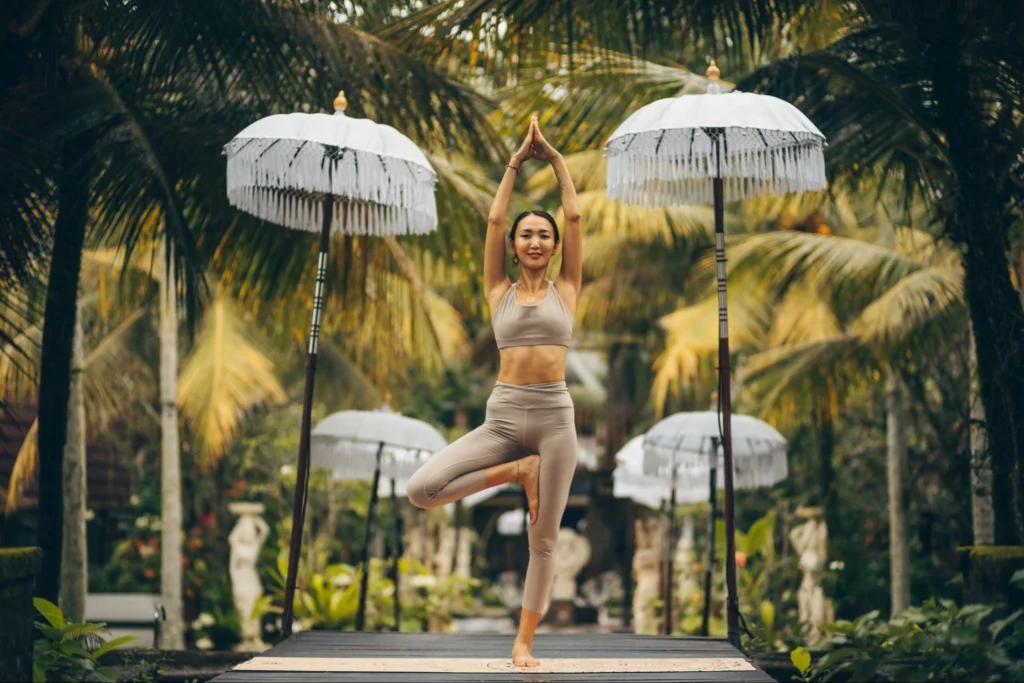
| Detail | Information |
|---|---|
| Location | The Mansion, Ubud, Bali, Indonesia |
| Program | 200-Hour Yoga Teacher Training |
| Duration | 20 nights, approximately three weeks |
| Format | Residential and in person |
| Styles | Hatha, Vinyasa Flow, and Ashtanga |
| Experience level | All levels welcome, including complete beginners |
| Accommodation | Dorm, triple, twin, and private rooms |
| Meals | Breakfast and lunch on training days |
| Assessment | Practical and theoretical exams at the end of training |
| Calendar | 2026 and 2027 dates published |
Location: Ubud, Bali
The Mansion is in Ubud, inland in Bali rather than on the coast. Central Ubud is roughly 10 minutes away.
Program: 200-hour yoga teacher training
A foundational 200-hour program covering practice, theory, and teaching skills, with practical and theoretical exams at the end.
Duration: 20 nights
Twenty nights on the property, which works out at approximately three weeks from arrival to completion.
Format: residential and in-person
Fully residential. Accommodation is part of the program rather than something you arrange separately.
Yoga styles: Hatha, Vinyasa and Ashtanga
The curriculum is multi-style rather than single-lineage, and the three weeks are organized around those styles in sequence.
Experience level: beginners and experienced practitioners welcome
House of Om states that all levels are welcome, including complete beginners. Teaching ambitions are not required to join.
Accommodation options: dorm, triple, twin and private rooms
Four room types, all including the same training, meals, equipment, materials, and community events.
Meals: breakfast and lunch on training days
Two meals per training day are included. Both are fresh, Ayurvedic-inspired vegetarian dishes prepared with organic ingredients.
Where Is The Mansion in Ubud?
The Mansion as a House of Om Bali training campus
The Mansion is House of Om’s most-requested campus in Bali. It is a large resort property in Ubud with several dedicated spaces used for yoga practice and teacher training.
Access to central Ubud
Central Ubud is about 10 minutes from the property. That distance is worth understanding correctly: close enough that errands, dinner, and a change of scene are easy, far enough that the training itself is not happening in the middle of town.
What is around The Mansion
The immediate area is well served. Within roughly 3 km there are more than 10 spas and wellness centers and more than 20 cafes and restaurants serving healthy food. Within about 9 km there are more than 15 cultural and sacred natural sites.
Cafés, wellness centers and cultural sites near the campus
Those numbers matter in practice rather than as marketing. Dinner is not included in the program, so having cafes within reach is part of how the three weeks work. The spas are relevant on rest days after a week of daily practice, and the cultural sites are what most students use their free time for.
What Makes The Mansion Different as a Yoga Teacher Training Setting?
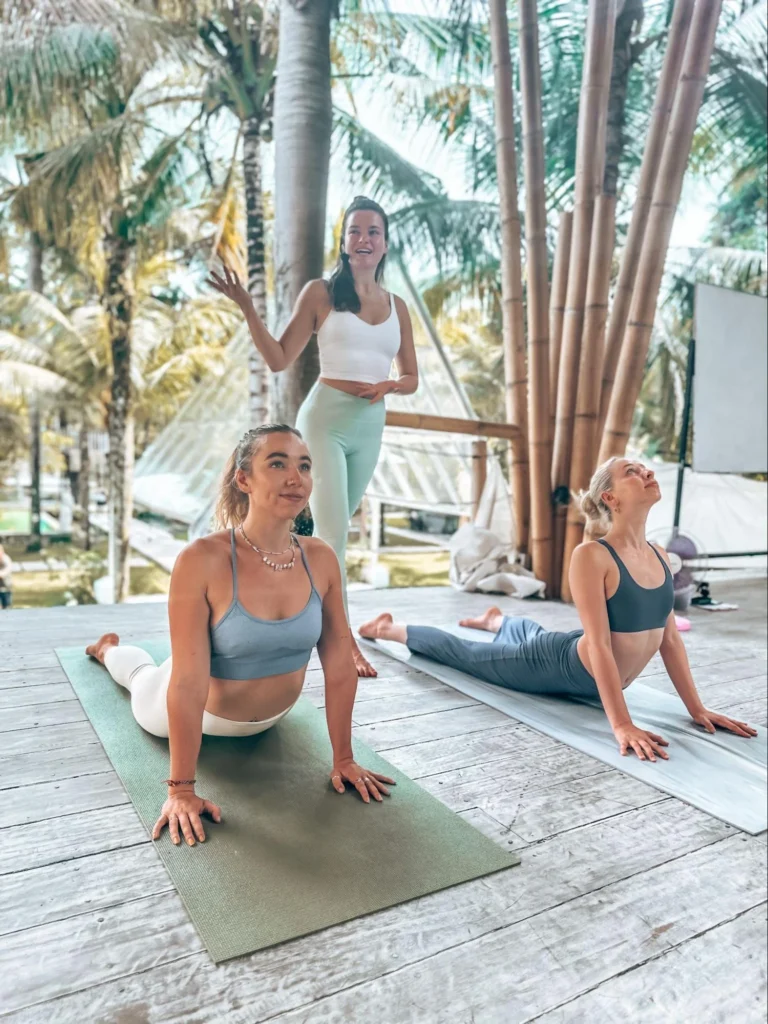
Dedicated yoga shalas and training spaces
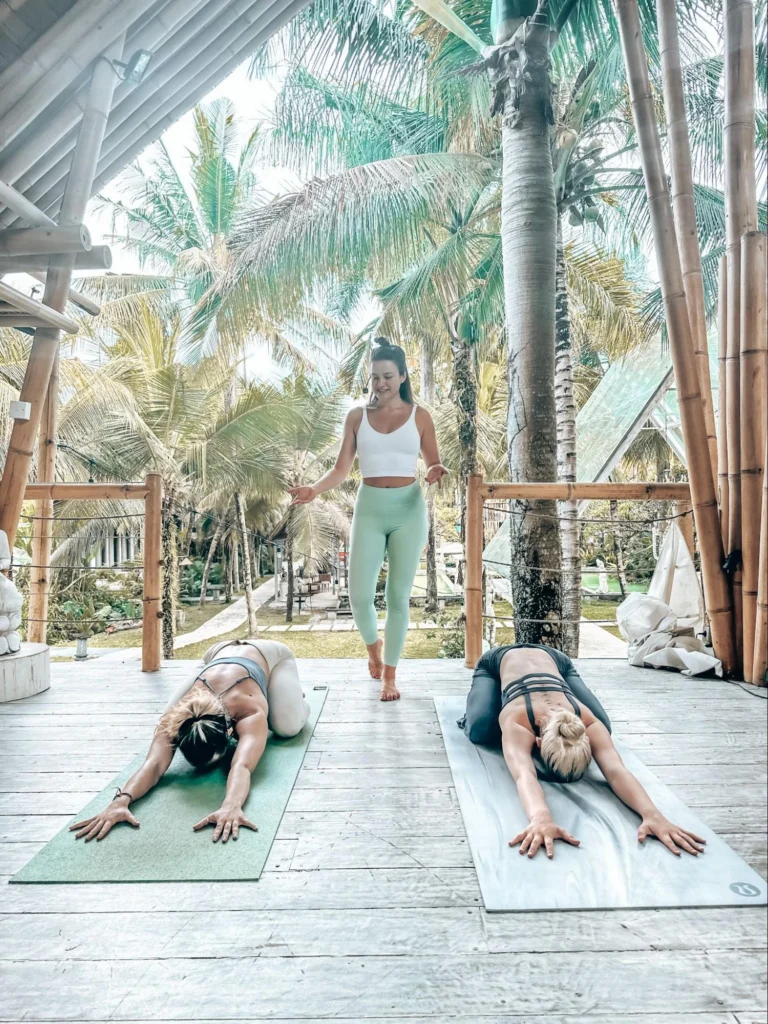
Practice does not happen in a single room. The property has rooftop shalas among its dedicated training spaces, so sessions move rather than staying in one place for three weeks.
Open-air practice areas
Open-air halls and bamboo studios are also used for training. Practicing outdoors changes the feel of a session, particularly early in the morning before the heat builds.
Gardens, fountains and art across the property
The property is characterized by gardens, fountains, and art throughout. In House of Om’s own wording, there are gardens, fountains, and art in every corner.
The practical effect is that the spaces between sessions are pleasant to be in, which matters more on a three-week program than it would on a weekend.
Pool and shared relaxation areas
There are 6 pools on site, along with shared areas students use between sessions. These are where most of the informal part of a training happens.
Staying and training in one location
Everything is on one property. You are not traveling between accommodation and a studio, which removes a daily friction that adds up across 20 days.
What Does a Typical Morning at The Mansion Look Like?
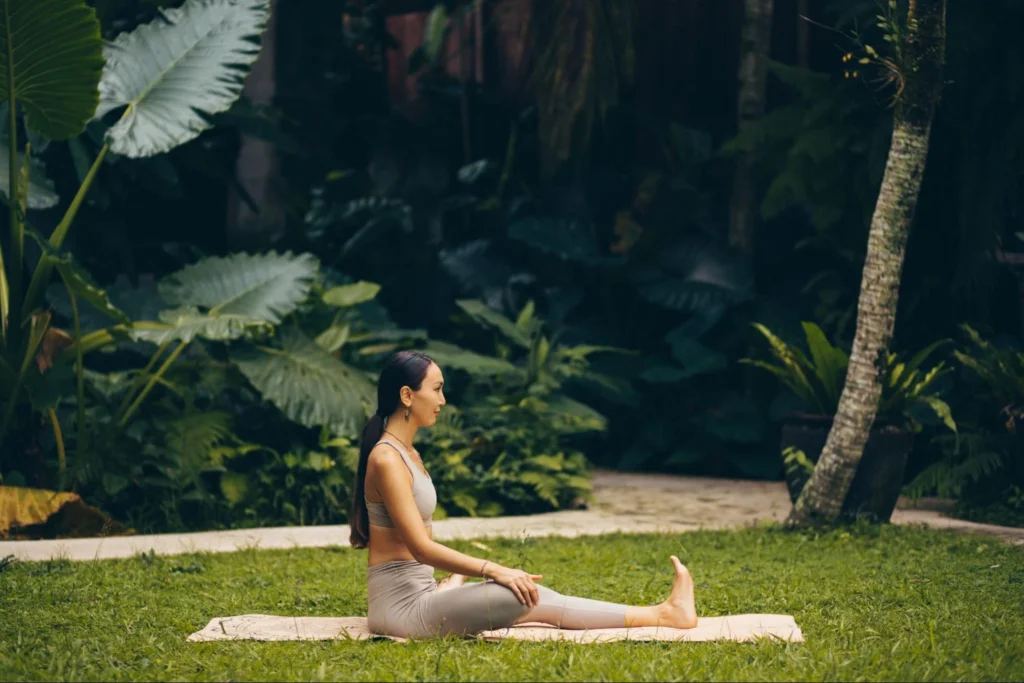
Mornings are the most structured part of the day and start early.
| Time | Session |
|---|---|
| 06:00 – 06:15 | Shatkarma |
| 06:15 – 06:30 | Chanting |
| 06:30 – 07:45 | Asana and pranayama |
| 08:00 – 08:45 | Morning lab |
| 08:45 – 10:00 | Breakfast |
Shatkarma practice
The day opens at 06:00 with shatkarma — yogic cleansing techniques for physical and energetic purification. It is a short session, fifteen minutes, and it is the reason a neti pot is included in the student welcome bag.
Chanting
Chanting follows from 06:15 to 06:30. A quiet, collective start before any physical practice begins.
Morning asana and pranayama
The main morning practice runs from 06:30 to 07:45, combining asana with breathwork. This is the longest physical session of the day and the one that changes most noticeably across three weeks as the styles progress.
Morning lab
A morning lab follows from 08:00 to 08:45 — applied work immediately after practice, while the material is still fresh.
Breakfast and the transition into theory sessions
Breakfast runs from 08:45 to 10:00, which is a genuine break rather than a rushed one. It also marks the shift in the day: the morning is physical, and what follows is study.
What Happens During the Main Training Day?
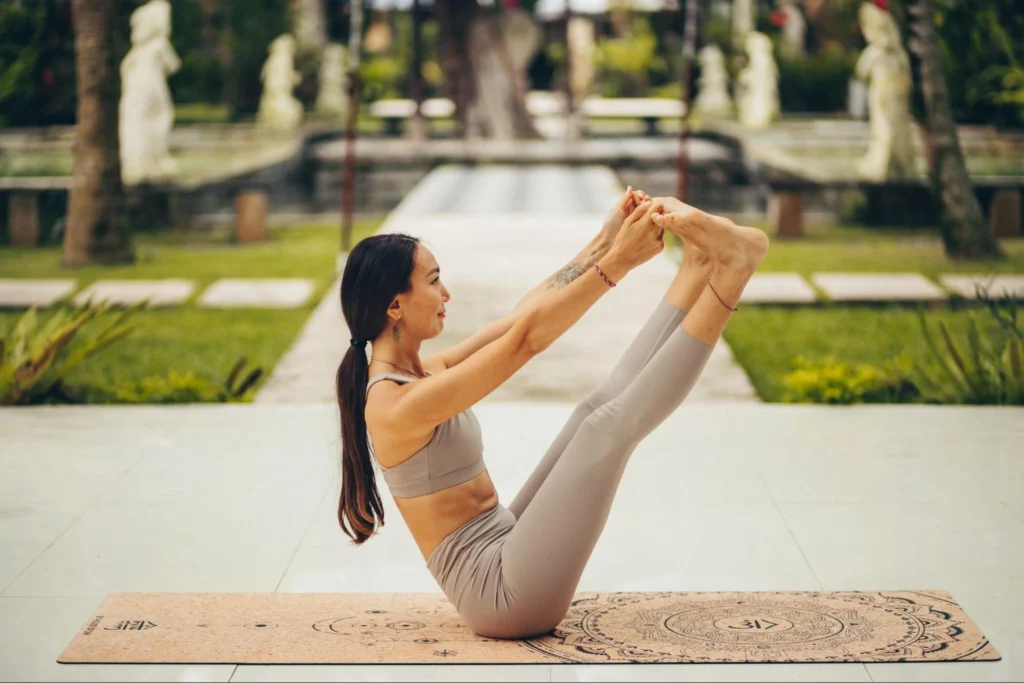
| Time | Session |
|---|---|
| 10:00 – 12:30 | Jnana yoga |
| 12:30 – 13:15 | Yoga Nidra |
| 13:30 – 15:00 | Lunch |
| 15:00 – 16:00 | Teaching methodology |
| 16:00 – 17:15 | Alignment and adjustment |
| 17:30 – 18:30 | Evening sadhana |
Yoga philosophy and Jnana yoga
Jnana yoga is the scheduled theory and study component, running through the middle of the day. This is where philosophy sits in the timetable.
Yoga Nidra
Yoga Nidra is guided deep relaxation and meditation, scheduled around midday.
Teaching methodology
The afternoon opens with teaching methodology from 15:00 to 16:00 — a dedicated daily session on how to plan, structure, and deliver a class. This is the part of the day most directly concerned with what you will do after the training ends.
Alignment and adjustment practice
Alignment and hands-on adjustment work follows from 16:00 to 17:15, with mentor feedback built in. Alignment workshops, hands-on adjustments, and injury-prevention biomechanics all sit within this part of the program.
Evening sadhana
The training day closes with evening sadhana from 17:30 to 18:30 — a final practice before the evening.
How the daily schedule may change
House of Om notes that the daily schedule is subject to change at the teacher’s discretion. Treat the times above as the published shape of a day rather than a fixed timetable, and check the program page if specific sessions matter to your planning.
How the Three Weeks of Training Are Structured
| Stage | Focus |
|---|---|
| Week 1 | Hatha yoga foundation |
| Week 2 | Vinyasa Flow exploration |
| Week 3 | Intro to Ashtanga yoga and teaching development |
| Final stage | Practical and theoretical exams |
Week 1: building Hatha yoga foundations
The first week establishes foundations through Hatha — individual postures, alignment, and steady practice. The pace is deliberate, which is what makes the program workable for beginners.
Week 2: developing Vinyasa Flow practice
The second week moves into Vinyasa Flow, applying the first week’s foundations to breath-led movement and sequencing. The morning practice changes character noticeably here.
Week 3: Ashtanga yoga and teaching development
The final week combines Ashtanga-focused practice with teaching development. By this stage the emphasis has shifted from learning postures to learning to lead them.
Practical and theoretical assessments
The program concludes with both a practical exam and a theoretical exam, held at the end of the training.
What Else Is Included in the Learning Experience?
Alongside asana, philosophy, and teaching work, the program includes a set of traditional practices that fill out the three weeks.
Meditation and mantra
Chanting and meditation practices for cultivating mindfulness and inner steadiness, with chanting as a daily morning component.
Shatkarma
Yogic cleansing techniques supporting physical and energetic purification, practiced at the start of each day.
Yoga Nidra
Guided relaxation and meditation, scheduled during the middle of the day.
Ayurveda
An introduction to Ayurvedic principles and their relationship with yoga and holistic well-being.
Kirtan
Group chanting connected with Bhakti yoga, oriented around unity and shared practice.
Sound healing
A sound healing journey using restorative vibrations to support relaxation and inner balance.
Voice Activation
Work on using your voice with confidence, clarity, and intention — communicating effectively, leading with presence, and developing a teaching voice that feels natural rather than performed.
This is unusual enough to be worth noting. Plenty of new teachers know their sequences and then discover that projection and pacing are the harder part of standing in front of a room.
Teaching practice and mentor feedback
Teaching practice is integrated into the program rather than saved for the end, with supportive mentor feedback throughout.
What Is It Like to Live at The Mansion for 20 Nights?
Waking up where you train
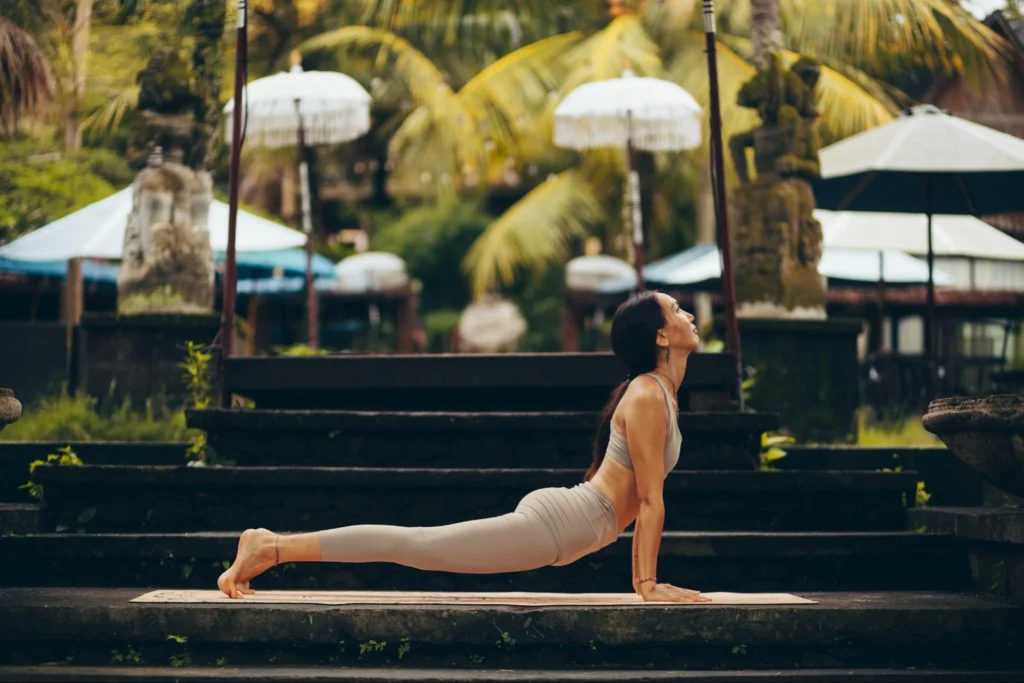
A 06:00 start is considerably more manageable when the practice space is on the same property. There is no travel to factor in and no early departure, which is part of why an early schedule works across three weeks rather than only the first few days.
Moving between practice, classes and rest
The day moves between different kinds of work — physical practice, study, teaching, and rest — in different spaces across the property. That variation is part of what keeps a long day sustainable.
Shared spaces and informal student interaction
The gardens, pool, and shared areas are where the unstructured part of a training happens: the conversations between sessions and over meals. On a residential program these are not incidental. Most of what people describe afterward as the community aspect of a training happens in exactly these gaps.
Choosing between shared and private accommodation
Shared rooms tend to build a closer group. A private room gives you somewhere to decompress at the end of a demanding day. Both are reasonable priorities on a program this concentrated, and the decision is genuinely personal rather than a question of one option being better.
Having Ubud nearby without commuting to training
This is the practical balance of the location. Training happens on a quiet property, and town is close enough to reach when you want it — without any of that being part of your daily routine.
What Accommodation Options Are Available?
| Room | Sleeping arrangement | Occupancy |
|---|---|---|
| Dorm room | Four single beds | Female dorm only |
| Triple bedroom | Three single beds | Female room only |
| Twin bedroom | Two single beds | Female-only shared room |
| Private room | Double bed | Private |
All four include a shower, air conditioning, hot water, and Wi-Fi, along with two meals on training days, the 200-hour training, community events, yoga equipment, and learning materials.
Female dorm room
Four single beds in a shared female-only room. The most social option, and the lowest-priced.
Female triple bedroom
Three single beds in a female-only room — shared, but with fewer people than the dorm.
Female twin bedroom
Two single beds in a female-only shared room. A middle option between dorm living and full privacy.
Private room
A double bed in a private room, with a private space to return to at the end of each day.
How to choose the right room for a three-week training
Three weeks is long enough that how you sleep matters. Worth thinking about honestly:
- How well you sleep with other people in the room
- Whether you recharge around others or on your own
- How much you value having somewhere private to retreat to
- Where the cost difference sits against your total budget including flights
There is no better or worse answer. People who value the group experience often prefer shared rooms; people who need solitude to process a demanding day often find a private room worth the difference.
What Is the Food Experience During the Training?
| What is included
Two meals are included on training days: breakfast and lunch. Both are fresh, Ayurvedic-inspired vegetarian dishes prepared with organic ingredients. Dinner is not included, and the program is not described as all-inclusive. |
Breakfast on training days
Breakfast runs from 08:45 to 10:00, following the morning practice and lab. It is a proper break rather than a quick one.
Lunch on training days
Lunch runs from 13:30 to 15:00 and is the longest break in the day — used for eating, resting, and studying.
Ayurvedic-inspired vegetarian meals
Meals are fresh, Ayurvedic-inspired vegetarian dishes prepared with organic ingredients.
Dinner and eating out in Ubud
Dinner is not included in the program. The published schedule shows a dinner period from 18:30 to 19:30, but students arrange and pay for that meal themselves.
In practice this is less of a drawback than it sounds. There are more than 20 cafes and restaurants with healthy food within roughly 3 km, and central Ubud is about 10 minutes away. Evening meals become one of the ways students spend time together off the schedule. Budget for around three weeks of dinners when working out your total cost.
Can Beginners Handle Three Weeks of Yoga Teacher Training?
| Direct answer
Yes. House of Om states that all levels are welcome, including complete beginners. The program is designed for beginners, dedicated practitioners, and people simply curious to explore yoga more deeply. Teaching ambitions are not required to join. |
Do you need prior teaching experience?
No. Teaching methodology is taught from the ground up as a dedicated daily session across the full three weeks.
Do you need an advanced yoga practice?
No minimum experience is specified. The structure helps here: the first week is Hatha foundations, so the program opens at a deliberate pace before Vinyasa and Ashtanga are introduced.
Can you join without planning to teach?
Yes. House of Om is explicit that students do not need teaching ambitions to join, and that many enroll to deepen a personal practice rather than to teach afterward.
What to expect from the daily training rhythm
The day starts at 06:00 and the schedule is full. That is worth taking seriously rather than being alarmed by — the rhythm is repetitive by design, and most of the adjustment happens in the first few days.
Rest periods are built in, including a long lunch break. The demand is more about consecutive days than any single session.
What Does the Full 200-Hour Online Training Add to the Experience?
Under the current campaign terms, a qualifying Mansion booking also includes the complete 200-Hour Online Yoga Training — the full course with live online classes, not a set of supplementary materials.
Starting your studies before traveling to Bali
Access opens when you book. If you book for a date months ahead, you can begin studying immediately rather than waiting until you arrive.
Live online classes
The online program includes live classes with a teacher alongside its recorded lessons. You can ask questions and get answers rather than working alone.
Continuing your learning after The Mansion
Access continues after the residential training under the current campaign terms. Many graduates find it most useful at that point, bringing questions from their own first classes back to the live sessions.
How online and in-person training complement each other
Arriving with theory already covered changes what the three weeks are spent on. When the foundations are familiar, more of the in-person time goes into practice, teaching, and feedback — the things that are difficult to do any other way than in a room with a teacher.
What Can You Expect to Learn About Teaching Yoga?
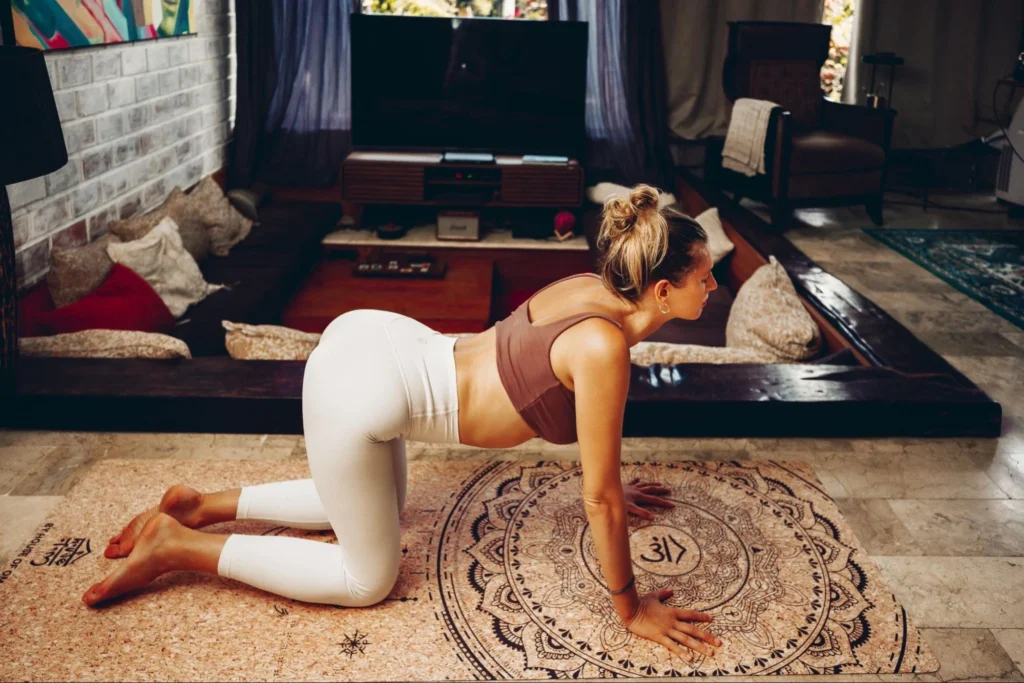
Building and sequencing a yoga class
Class planning and sequencing are covered within the daily teaching methodology session, progressing across the three weeks as the styles change.
Giving clear teaching instructions
Cueing and clear instruction are part of teaching methodology. Being able to do a posture and being able to explain it to a room are different skills, and the second is what a teacher training is for.
Alignment and adjustment
Alignment workshops and hands-on adjustment training run daily, with injury-prevention biomechanics covered as part of the program.
Developing a teaching voice
Voice Activation addresses confidence, clarity, intention, communication, and teaching presence — developing a teaching voice that feels natural rather than performed.
Practicing before the final assessment
Teaching practice is integrated into the program with mentor feedback, so the practical exam at the end comes after weeks of preparation rather than as a first attempt.
What Can You Do Around Ubud Outside Training Hours?
Cafés and restaurants near The Mansion
More than 20 cafes and restaurants serving healthy food are within roughly 3 km. Since dinner is not included, these become part of the daily routine rather than an occasional outing.
Wellness and recovery options
More than 10 spas and wellness centers are within about 3 km. After a week of daily practice these are genuinely useful rather than a luxury.
Cultural and sacred sites around Ubud
More than 15 cultural and sacred natural sites sit within roughly 9 km of the property. For most students this is what free time gets used for.
Using free time without disrupting your training schedule
The schedule is full, so planning matters. The longest daily gap is the lunch break, and anything more substantial is better saved for whatever rest time your intake includes.
The honest advice is to resist treating rest periods as sightseeing time for the whole three weeks. The training is demanding across consecutive days, and students who use every break to explore tend to feel it by the final week.
Who Is The Mansion Yoga Teacher Training Best Suited To?
Students looking for residential yoga teacher training in Ubud
The program suits people who want to step away from everything else rather than fit a training around a normal week.
Beginners starting their 200-hour training
The Hatha-first structure and the stated all-levels policy make this workable as a first teacher training.
Practitioners wanting to deepen their personal practice
Teaching ambitions are not required, and House of Om is explicit that many students join for their own practice rather than to teach.
Future teachers who want structured teaching practice
Teaching methodology runs daily, alignment and adjustment work runs daily, and mentor feedback is built in. For someone who intends to teach, that structure is the point.
Students planning their Bali training for 2026 or 2027
Both calendars are published, with ten start dates remaining in 2026 and the full 2027 schedule available. That range suits people planning well ahead as much as those traveling soon.
What Should You Know Before Booking The Mansion?
Review the full 200-hour curriculum
The curriculum is multi-style, covering Hatha, Vinyasa Flow, and Ashtanga alongside philosophy, anatomy, teaching methodology, and traditional practices. Worth reading in full if you had a single lineage in mind.
Check current training dates
Dates and availability change. Confirm the intake you want is open before arranging anything else.
Compare accommodation options
All four room types include the same program. The choice is about sleeping arrangement, privacy, and budget across 20 nights.
Confirm what meals are included
Breakfast and lunch on training days are included. Dinner is not. Budget accordingly.
Review current rates and booking conditions
Rates vary by room type and change over time. The early-bird rate applies to bookings made 30 or more days ahead of the training start date and paid in full, and a $500 deposit can be used to reserve a place. Check the program page for current pricing before booking.
Read the current terms and conditions
Read the published terms before paying, particularly around date changes and cancellation.
FAQs
How long is The Mansion yoga teacher training in Ubud?
The program runs for 20 nights, approximately three weeks. It is residential, so you stay at the property for the full duration.
Is The Mansion located in central Ubud?
The Mansion is in Ubud, roughly 10 minutes from the center. Training happens on a quiet property, with town close enough to reach easily between commitments.
Is accommodation included?
Yes. All packages include accommodation at The Mansion in your chosen room type, with a shower, air conditioning, hot water, and Wi-Fi.
Are breakfast and lunch included?
Yes. Two meals are included on training days: breakfast and lunch. Both are fresh, Ayurvedic-inspired vegetarian dishes made with organic ingredients.
Is dinner included?
No. Dinner is not included, and the program is not described as all-inclusive. There are more than 20 cafes and restaurants within roughly 3 km, and central Ubud is about 10 minutes away.
Can beginners join the training?
Yes. House of Om states that all levels are welcome, including complete beginners. The first week covers Hatha foundations, so the program opens at a deliberate pace.
Do I need to want to become a yoga teacher?
No. House of Om is explicit that teaching ambitions are not required, and that many students join to deepen a personal practice.
What yoga styles are taught?
The training is multi-style, rooted in Hatha and Vinyasa Flow with elements of Ashtanga. The three weeks are organized around those styles in sequence.
What does a normal training day look like?
Days begin at 06:00 with shatkarma and chanting, followed by morning asana and pranayama, a morning lab, breakfast, theory sessions, lunch, teaching methodology, alignment and adjustment work, and evening sadhana.
Are there rest periods during the day?
Yes. Meal periods are built into the published schedule, and the longest break falls around lunch, from 13:30 to 15:00.
Can I explore Ubud during the training?
Within the gaps in the schedule, yes. Central Ubud is about 10 minutes away, with cultural and natural sites nearby. The schedule is full, so plan around it rather than through it.
What room types are available?
Four: a female dorm with four single beds, a female triple bedroom, a female-only twin bedroom, and a private room with a double bed. All include the same training, meals, equipment, and materials.
Is online training included?
Under the current campaign terms, yes. Qualifying bookings include the complete 200-Hour Online Yoga Training, with live online classes.
Can I start studying before arriving in Bali?
Yes. Online access opens when you book, so you can begin studying before you travel — particularly useful if your training date is months away.
Where can I check current Mansion dates and availability?
On the official Mansion program page. Dates, rates, and room availability change, so that page is the reliable source rather than any article.
Planning Your Three Weeks at The Mansion in Ubud
Three weeks is long enough to change how you practice and short enough to plan around. What determines whether it works for you is mostly practical: the dates, the room, the daily rhythm, and whether a residential format suits how you learn.
View current 2026–2027 training dates
Ten start dates remain in 2026 and the 2027 calendar is published in full. Availability changes by date and by room type.
Compare Mansion room options
All four rooms include the same program. Decide based on how you sleep, how you recharge, and your total budget.
Review the full 200-hour training structure
Hatha in week one, Vinyasa Flow in week two, Ashtanga and teaching development in week three, followed by practical and theoretical exams.
Explore The Mansion yoga teacher training in Ubud
Current dates, room options, rates, and the full program are published on the 200-Hour Yoga Teacher Training at The Mansion.