
Bali has become one of the world’s most popular destinations for Yoga Teacher Training, attracting students from around the world. This guide explains Yoga Alliance certification, training options, daily life during a residential program, and how to choose a yoga certification program in Bali that aligns with your goals.
At House of Om, we believe that where you train matters as much as how you train. This guide covers everything you need to know before you enroll, from choosing the right program to what life looks like once you arrive.
Why Bali Is the World’s Premier Destination for Yoga Teacher Training
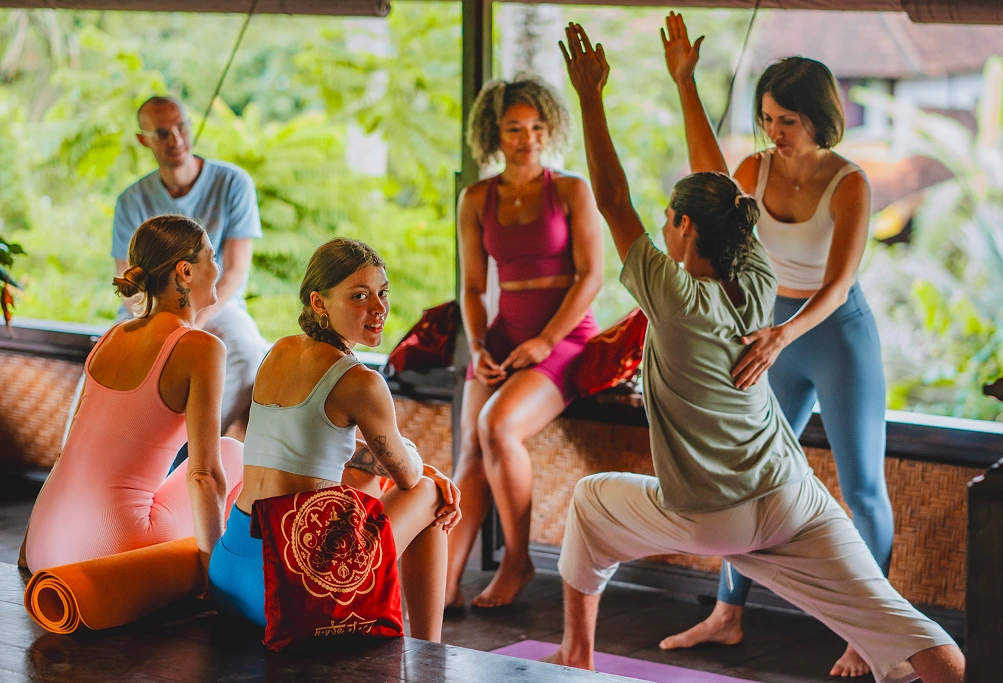
Bali is known for its established yoga community, cultural traditions, and wide range of Yoga Alliance–registered schools. Many students choose Bali because it combines residential teacher training with opportunities to experience local culture and wellness practices.
The island of Bali, and Ubud in particular, has been a magnet for serious yoga practitioners. Balinese Hinduism permeates daily life through temple ceremonies, sacred offerings, and a philosophy of balance that mirrors the core principles of yoga itself. Studying here means your education extends well beyond the yoga shala.
Ubud vs. Canggu: Choosing Your Training Base
Ubud sits in Bali’s highland jungle, surrounded by rice terraces and ancient temples, the classic choice for immersive Bali yoga teacher training. It is quieter, more introspective, and ideal for students who want to fully unplug. Canggu, on the southwest coast, combines a surf culture with a thriving wellness scene and suits those who prefer a more modern, social setting. Both are exceptional environments for yoga certification in Bali; your choice should reflect your personal learning style.
Types of Yoga Certification Available in Bali
Not all yoga certifications are created equal. Before you commit to any program, it’s essential to understand the difference between registered and non-registered training. House of Om offers only Yoga Alliance–registered programs, ensuring that every graduate walks away with a credential that is widely recognized by studios, gyms, and wellness providers internationally.
Yoga Alliance Certification in Bali: What It Means
A Yoga Alliance certification in Bali means your school (known as an RYS Registered Yoga School) has met strict curriculum and teaching standards set by the world’s largest yoga credentialing body. Once you complete the training, you register directly with Yoga Alliance as an RYT (Registered Yoga Teacher). This designation is widely recognised within the yoga industry. It is required by most professional teaching environments. Always verify a school’s registration on the official Yoga Alliance directory before you pay a deposit.
The 200-Hour Yoga Teacher Training in Bali
The 200-hour Yoga Teacher Training program is the standard entry-level certification for aspiring yoga teachers. Programs typically cover asana, pranayama, anatomy, philosophy, meditation, and teaching methodology. Program schedules, duration, and inclusions vary between schools.
300-Hour and 500-Hour Advanced Certifications
For those who have already completed a 200-hour program, a 300-hour advanced training is the natural next step. Completing both qualifies you for the RYT-500 designation, an advanced yoga teaching credential. Advanced programs at House of Om allow you to specialize in areas such as Yin Yoga, trauma-informed teaching, or yoga for athletes, giving your teaching a distinct identity in an increasingly competitive market.
Specialty and Retreat-Based Certifications
Shorter certifications, such as 50-hour and 100-hour specialty trainings, are available for practitioners who want to deepen their knowledge in a specific area without committing to a full 200-hour yoga teacher training.
These specialised trainings can complement an existing certification and allow students to continue expanding their skills. Popular areas of focus include restorative yoga, sound healing, prenatal yoga, and other specialised approaches.
What to Expect From a Yoga Teacher Training in Bali
A residential Yoga Teacher Training in Bali offers the opportunity to fully immerse yourself in the practice and teachings of yoga. While each school has its own approach, most trainings include daily asana practice, meditation, yoga philosophy, anatomy, pranayama, teaching methodology, workshops, and practical teaching experience.
The immersive nature of residential training allows students to step away from everyday distractions and dedicate focused time to developing their knowledge, confidence, and personal practice.
Physical and Emotional Preparation
A regular yoga practice before beginning your training can help you feel more prepared for the journey. Residential teacher trainings are designed to be both inspiring and challenging, combining physical practice with self-reflection, learning, and personal growth.
Arriving with an open mind, curiosity, and a willingness to learn will allow you to gain the most from your experience.
How to Choose the Right Yoga Certification School in Bali
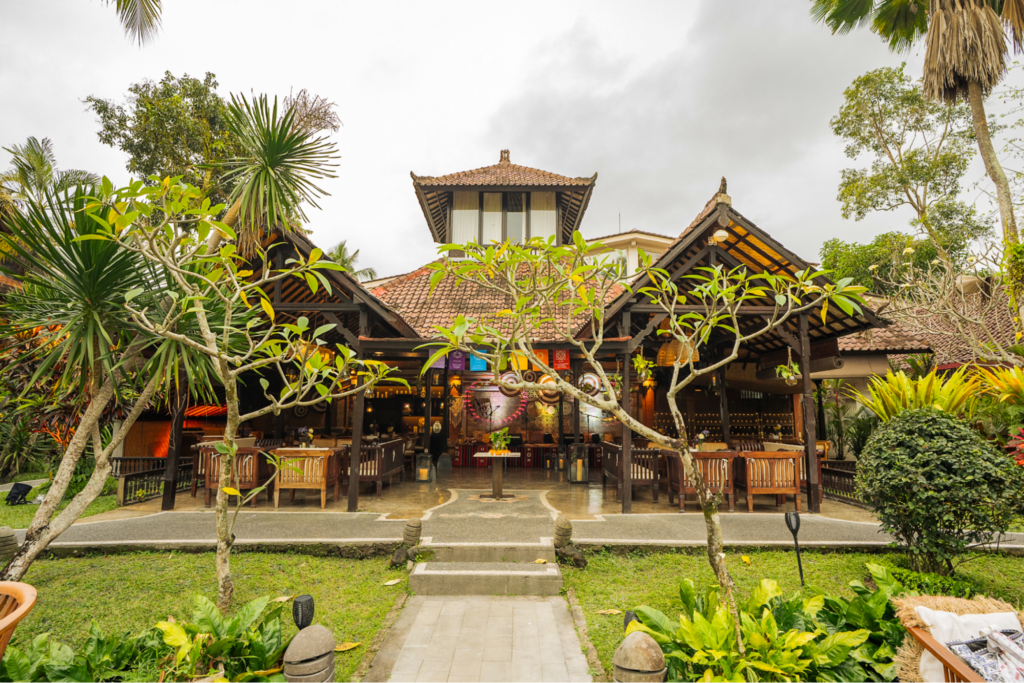
With so many yoga certifications in Bali, choosing the right school is an important part of your journey. Each training offers a different approach, teaching style, and experience, so it is worth taking the time to understand what aligns best with your goals.
Key Questions to Ask Before Enrolling
Key Questions to Ask Before Enrolling
- Is the school registered with Yoga Alliance as an RYS 200 or RYS 500?
- Are the lead teachers E-RYT 500 certified with teaching experience?
- Is accommodation included, and what is the quality of the facilities?
- What style of yoga is the primary focus: Hatha, Vinyasa, Ashtanga, or multi-style?
- What is the refund and cancellation policy?
Red Flags to Watch For
When comparing schools, review factors such as Yoga Alliance registration, instructor qualifications, curriculum, accommodation, student reviews, and refund policies. It’s also helpful to compare what is included in the program fee before enrolling.
Costs, Visas, and Practical Logistics
Program costs vary depending on the school, accommodation type, group size, program duration, and what’s included. Flights, visas, insurance, and personal expenses are usually separate from tuition fees. Always review the full list of inclusions before booking.
Visa Requirements for International Students
Visa requirements vary depending on your nationality and the length of your stay. Many international visitors are eligible for a Visa on Arrival (VoA), while others may require a different visa depending on their travel plans. Always check the latest visa requirements through the official Indonesian immigration website or consult your training provider before making travel arrangements, as immigration policies may change.
Best Time of Year to Train
Bali’s dry season runs from April through October and is the most popular time for yoga training retreat Bali programs. The wet season (November through March) still sees many programs running at lower prices and in smaller cohorts, ideal for those who prefer a more intimate experience. Ubud is cooler and more prone to afternoon rain than the coastal areas year-round.
Life After Your Yoga Certification in Bali
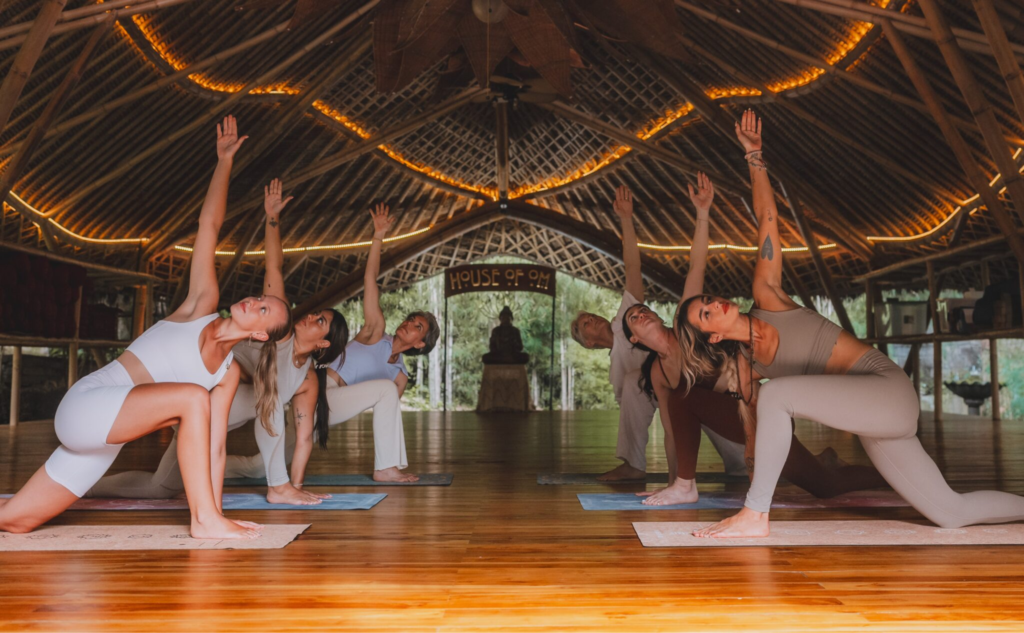
After completing a Yoga Alliance–registered program, graduates may choose to teach at yoga studios, wellness centres, fitness facilities, or independently, depending on their goals and local requirements. Others continue their education through advanced teacher training or specialised certification programs.
Many graduates also find that the certified yoga instructor Bali experience shapes their teaching identity in a way that purely classroom-based training cannot. The cultural immersion, the community of like-minded practitioners, and the depth of study in Bali’s unique environment produce teachers who are not just technically proficient, but genuinely inspiring. Whether you plan to teach full-time, lead retreats, or simply deepen your own practice and share it with others, yoga certification Bali equips you to do exactly that.
Frequently Asked Questions
1. Do I need prior yoga experience to enroll?
Most Yoga Alliance-registered programs, including those at House of Om, require a consistent personal practice of six to twelve months. You do not need to perform advanced postures, but foundational familiarity with yoga is essential. Beginners who have only attended occasional drop-in classes are generally encouraged to build their practice before committing to a 200-hour yoga certification Bali program.
2. Is a yoga certification from Bali recognized internationally?
Yes. Graduates of Yoga Alliance–registered schools may register as Registered Yoga Teachers (RYTs). Recognition requirements can vary between employers and countries, so it’s a good idea to confirm local requirements before teaching professionally.
3. How long does a 200-hour yoga teacher training in Bali take?
Most residential 200-hour programs are completed over the course of three or four weeks, while some schools also offer modular or extended learning formats. Program schedules vary between providers.
4. What is the difference between a yoga retreat and a yoga certification?
A yoga retreat is a wellness experience focused on personal practice and relaxation; it does not qualify you to teach professionally. A yoga certification in Bali is a structured, curriculum-based training program that meets Yoga Alliance standards for professional teaching credentials. Some programs blend retreat elements with certification training, but if your goal is to teach, ensure the program is Yoga Alliance-registered.
5. Why should I choose House of Om for my yoga certification in Bali?
House of Om offers Yoga Alliance–registered programs with experienced instructors, structured curricula, and residential learning in Bali. You can compare the curriculum, schedule, accommodation, and teaching approach to determine whether the program matches your learning goals.
Become a Confident and Certified Yoga Teacher in Bali
Pursuing yoga certification in Bali is one of the most rewarding investments you can make in yourself professionally and personally. The combination of rigorous curriculum, cultural depth, and the incomparable energy of Bali creates graduates who are confident, grounded, and ready to teach.
If you’re considering yoga certification in Bali, explore House of Om’s Yoga Alliance–registered programs to learn more about the curriculum, accommodation, and enrollment process. You can also check out our blog for more insights on teacher training and life in Bali.